
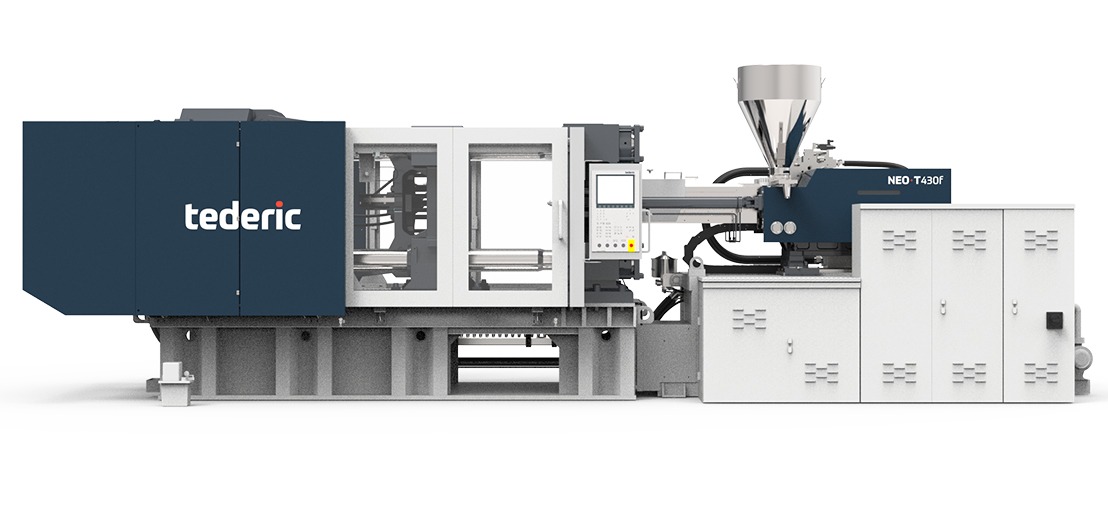
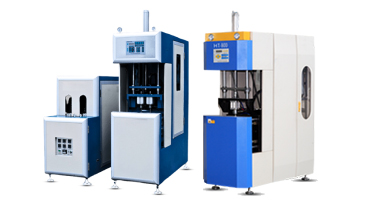
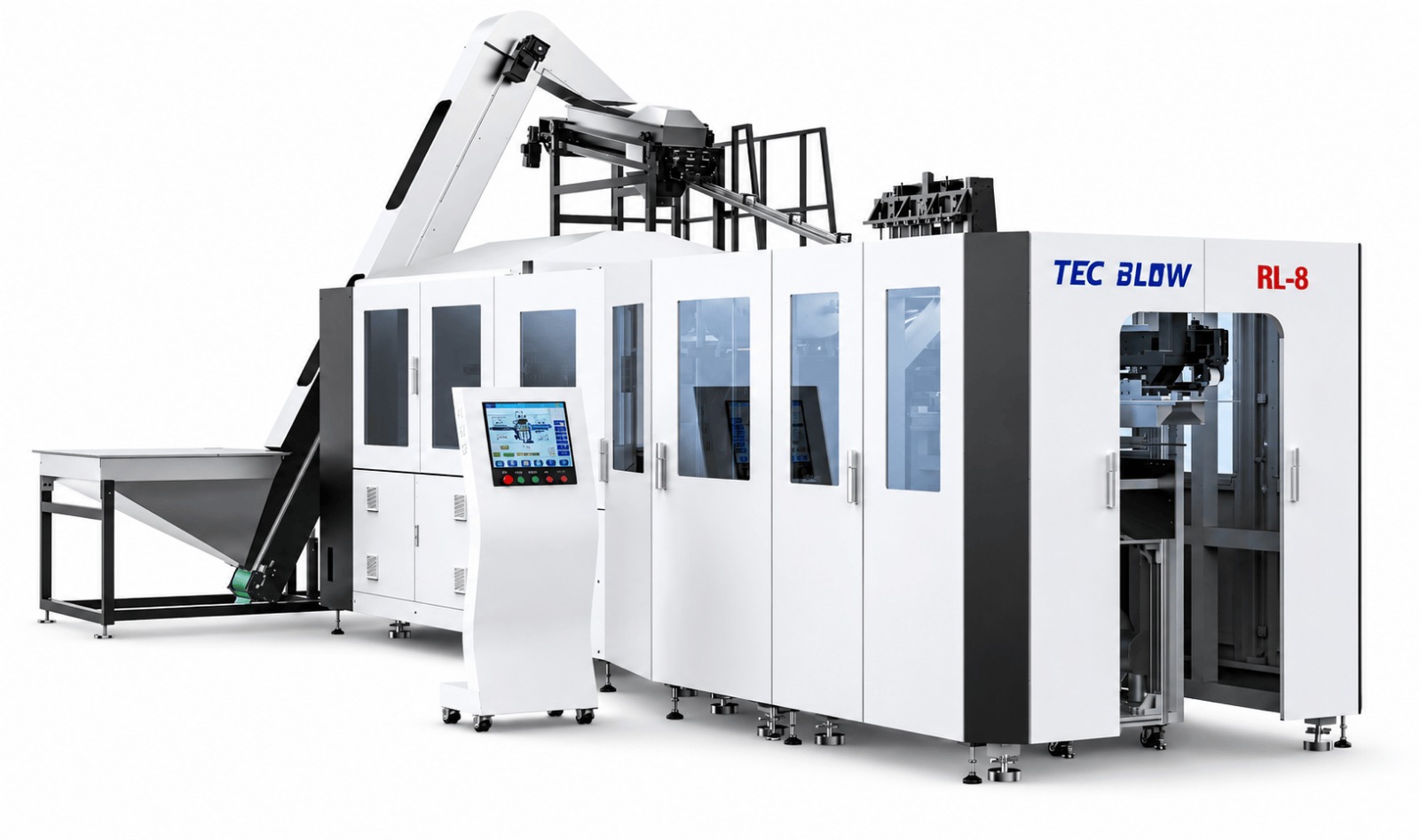
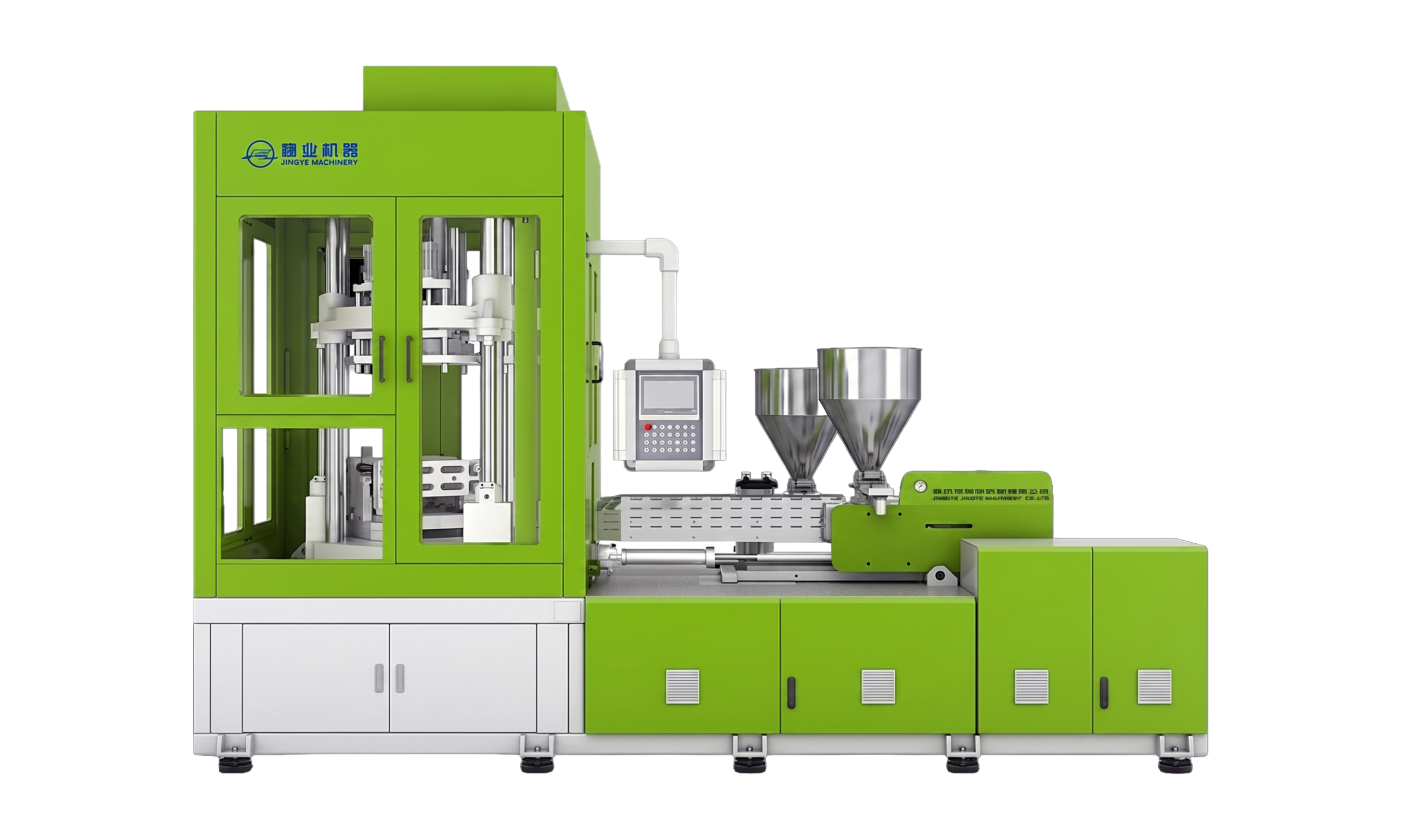



Plastic is a widely used alternative to metal/glass, since it is lightweight, affordable, resistant to corrosion and regular wear, and easy to shape.
When plastic has taken over metal/glass, injection molding has beaten all the other methods that have been used to manufacture plastic products.
Injection molding is being used in almost every industry today.
About 40% of the plastic products are currently manufactured via injection molding machines.
The reasons?
This method can produce complex plastic products of any size in large numbers. Small parts, large items, complex designs, and complicated shapes can all be produced via IMMs.
Read on to learn about applications of injection molding machines.
When a Part Can Be Produced via Injection Molding Machines?
A product is best produced via injection molding if:
- It has to be produced fast and in large quantities
- Its quality and surface finish need to be good and consistent
- It has a complex shape, design, and/or geometry
- It is being manufactured with expensive material, and it should not be wasted
If one or more of the above-mentioned conditions are involved in manufacturing a plastic item, it is best to produce it with injection molding machines.
To better understand this, you should learn how an injection molding machine works.
Many companies use this method for OEM parts, thin-wall packaging products, and lightweight plastic replacements for metal parts.
Applications of Injection Molding Machine Across Different Industries
Injection molding is used across all the following industries (but not limited to only these) to manufacture a wide range of different products.

Medical
Injection molding machines are a must for the medical sector.
This is because medical equipment (such as syringes) needs to be clean, germ-free, and precise. Manual procedures that require human involvement may not comply with these standards.
Therefore, all these medical-related items are made via injection molding:
| Category | Products |
| Surgical & Diagnostic | Scalpel handles | surgical instrument housings | diagnostic device enclosures | blood analyzers |
| Fluid Delivery | IV connectors | blood filters | oxygenators | syringes | catheter components |
| Implants & Tubing | Spinal fusion cages | bone screws | flexible respiratory tubing | trocars |
| Lab Equipment | Disposable pipettes | test kit housings | vial caps | petri dishes | centrifuge tubes |
Automotive
Every automotive manufacturer is trying to cut down the vehicle’s weight in order to improve performance, fuel efficiency, and range.
For this purpose, more and more plastic parts are used in modern vehicles.
These are the most common parts IMMs make for vehicles:
| Category | Products |
| Exterior | Front grilles | headlamp housings | bumper fascia | side mirror housings | wheel covers |
| Interior | Dashboards | glove boxes | door panels | floor consoles | seat back covers | air vents |
| Under-the-Hood | Air intake manifolds | battery covers | oil pans | radiator trim | engine covers |
| Small Components | Sensor brackets | relay boxes | interior/exterior door handles | gear shift knobs |
Packaging
Packaging is probably the biggest industry using injection molding machines.
In this industry, thin-wall packaging and high-speed production are two must-haves. Plus, lightweight packaging items are needed to cut the transportation costs.
For all these reasons, packaging items are injection molded, such as:
| Category | Products |
| Closures | Bottle caps | flip-top lids | tamper-evident seals | spray triggers | pump tops |
| Containers | Thin-wall food tubs | cosmetic jars | yogurt cups | medicine bottles | storage bins |
| Logistics | Plastic pallets | heavy-duty crates | wire spools | shipping totes |
Consumer Electronics
Consuming electronics manufacturing is also dependent on injection molding.
Electronic products need to be precise in terms of dimensions, while having smooth surface finishes. Injection molding facilitates both aspects.
Here are some contributions of IMM in the electronics sector:
| Category | Products |
| Housings | Smartphone casings | laptop shells | television frames | monitor back covers |
| Interfaces | Keyboard keys | buttons | switches | remote control bodies | game controller shells |
| Internal Parts | Electrical connectors | port insulators | heat sink mounts | structural internal frames |
Construction
Items used in construction need strength, weather resistance, and long service life.
And injection-molded plastic parts are exactly like this. They are lightweight, resist corrosion, and are easier to install than metal alternatives.
Common plastic products that are used in the construction industry are:
| Category | Products |
| Infrastructure | Plumbing fittings (elbows, joints) | pipe connectors | electrical conduits | junction boxes |
| Fixtures | Window frames | Profiles| lighting fixture housings | door handles | vent covers |
| Structural | Rebar chairs | support brackets | deck spacers | plastic roofing shingles/tiles |
Furniture
Furniture items need to have stylish designs, smooth finishes, and consistent shapes.
Injection molding offers all these products all the necessary properties:
| Category | Products |
| Full Units | Single-piece molded chairs | plastic side tables | foldable stools | outdoor benches |
| Components | Armrests | chair shells | table legs | drawer slides | caster wheels |
| Hardware | Alignment connectors | spacers | decorative trim | end caps for metal tubing |
Military & Defence
The defence industry also uses injection molding.
Yes, you heard it right.
Defence-related products need to be precise, durable, and never fail.
Plus, high-performance plastic is used to manufacture these items to resist heat, harsh conditions, and chemicals. It is also important not to waste any of it in the process.
Considering these aspects, IMMs are used to manufacture all these items:
| Category | Products |
| Personal Gear | Tactical helmet components | protective gear plates | kit bag fasteners | buckle systems |
| Weaponry & Optics | Firearm hand grips | rifle stocks | scope housings | ammunition boxes |
| Equipment | Ruggedized radio housings | communication headsets | field canteens | night vision goggles frames |
Music
Injection molding is also used in the music industry to manufacture many items, such as:
- Instrument parts (e.g., mouthpieces, tuning pegs)
- Guitar parts
- Metronome housings
- Speaker housings
- Headphone casings
- Other audio equipment parts
All these items mostly require custom designs and smooth surfaces. Injection molding is the perfect method to make this happen.
Optics
The optical industry requires high precision, excellent light transmission, and surface quality.
Injection molding is the optimal way to achieve this and manufacture these items:
- Aspherical lenses
- Micro lenses
- Light guide for LED lighting
- Protective sensor windows
This method is also used for manufacturing optical components and light guide panels for smartphones, cameras, and lighting systems.
Toys & Household
Injection molding is almost everywhere. Toys and household products are no exception.
Manufacturers use it to mass produce:
- Plastic toys
- Kitchenware
- Plastic cutlery
- Storage containers
- Food containers
- Buckets
- Appliance parts
- Sports equipment
- Luggage bags
Other products that can be manufactured with this method are building blocks (e.g., Lego), combs, toothbrushes, paint buckets, and the list goes on.
Which Type of Injection Molding Is Used When?
Different industries use different types of injection molding machines depending on product requirements.
Hydraulic
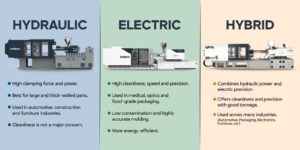
Hydraulic machines have high clamping force and power (due to hydraulics).
Products that are large in size and have thick walls are produced by hydraulic IMMs.
The automotive, construction, and furniture industries mainly rely on these machines. Cleanliness isn’t a very important aspect in these industries.
Electric
Electric machines are used if cleanliness, speed, and precision are required.
The medical and optics industries most commonly use electric machines. These are also used in manufacturing food-grade items in the packaging industry.
In all these industries, less/no contamination and/or highly accurate molding results are needed.
They are also more energy-efficient than hydraulic systems.
Hybrid
Hybrid machines combine the benefits of hydraulic and electric systems.
These can be used in pretty much all industries as they offer the cleanliness and precision of all-electric machines, but a similar tonnage to hydraulic machines (although not equal).
For example, automotive, packaging, electronics, furniture, defence, music, optics, and so on.
However, these may not be able to be used to make parts that are too big in size.
Materials Used In Injection Molding Machines
More than 85,000 commercial plastic materials from 45 different polymer families can be used in injection molding machines to make different products.
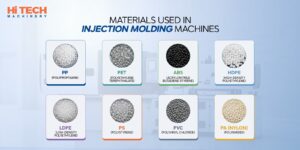
However, the most common materials used in plastic molding are these:
- PP (Polypropylene)
- PET (Polyethylene Terephthalate)
- ABS (Acrylonitrile Butadiene Styrene)
- HDPE (High-Density Polyethylene)
- LDPE (Low-Density Polyethylene)
- PS (Polystyrene)
- PVC (Polyvinyl Chloride)
- PA (Polyamides / Nylon)
Each material features different properties. First, it is decided which properties a product should have, and then a material is selected accordingly.
Are Injection Molded Items Durable and Strong?
Yes, injection-molded items are durable and strong.
This is because they are made in a single solid form, under high injection pressure. Then, they are solidified in a constant cooling cycle.
Modern thermoplastics can handle heat, pressure, moisture, and regular wear. Some engineered plastics are even strong enough to replace certain metal components.
So, their structure with no weak points and material traits makes them durable.