



Whenever a couple becomes parents, one of the first things they buy and bring home with their kid is a baby feeding bottle.
Right?
Therefore, the demand for baby feeder bottles always stays strong.
Baby feeder manufacturing is a hidden opportunity, just because the product is very small, which no one notices very often. In reality, while the product is small, the market is very large.
In this guide, we are going to reveal it to you. Along with covering all the demand-related factors and import statistics, we will also cover manufacturing setup, cost, profit, ROI, and much more.
Make sure to read the whole guide for a brief overview of baby feeder manufacturing.
Baby Feeder Bottles | Product Overview
Let us start from the very basics.
A baby feeder bottle is a feeding container designed for infants and newborn babies to feed milk, formula, or other liquids safely and comfortably.
These can be in different sizes, such as 60 ml, 150 ml, 240 ml, and 330 ml.
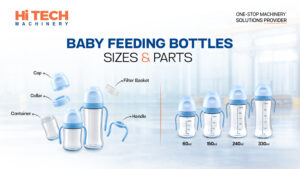
A complete baby feeder usually consists of several plastic parts. These include:
- Bottle container
- Collar
- Cap
- Handle
- Cover plate
- Filter basket
The list also contains silicone nipples.
We are not adding this to the list since most baby feeding bottle manufacturers do not manufacture it themselves, but purchase it separately.
All the parts on the list are made from food-grade PP material.
Why Starting Baby Feeder Manufacturing Is a Good Idea?
It is a good idea to start a baby feeder manufacturing setup for a combination of reasons.
20,000+ Newborns Every Day
Do you know that more than 20,000 babies are born every day in Pakistan?
Yes, it is indeed true.
Such a continuous increase in end users is the biggest and most important reason to start a baby feeder manufacturing setup in Pakistan.
What it actually means is that thousands of new families enter the market every day, but not new manufacturers are entering into manufacturing at the same pace.
Right?
Baby feeders have a naturally growing customer base.
An Import of 70%
Pakistan still depends heavily on imported baby feeding bottles.
Out of 100 feeding bottles used, 70 bottles are imported while only 30 are manufactured locally. This clearly shows the gap between local production and market demand.
If someone enters the market now, starts local feeder manufacturing, and fills this gap, they can generate good revenue from this opportunity.
Replacement Every 3 Months
Baby feeder bottles are not a one-time purchase.
Feeding bottles should be replaced every few months since regular use can bring scratches, wear, and hygiene concerns.
Parents keep buying new bottles instead of purchasing only one.
Repeated business → consistent sales
Huge, Consistent Demand
Baby feeder bottles are used in almost every household with infants.
They are available in pharmacies, supermarkets, baby stores, hospitals, and online marketplaces.
Their demand stays active throughout the year instead of increasing only during certain seasons because they are considered an everyday necessity.
This makes production planning much easier compared to seasonal products.
Evergreen Product
Some products become less popular over time.
Baby feeder bottles are different.
As long as babies are born, parents will continue buying feeding bottles.
This makes the product evergreen.
Demand remains stable year after year, making it an attractive option for manufacturers looking for a long-term business.
Complete Baby Feeder Bottles Manufacturing Setup & Cost
A complete baby feeder manufacturing plant consists of two separate production lines.
One line produces the bottle container.
The second line manufactures all the remaining plastic parts.
Let us talk about both setups.
ISBM Setup for Bottle Manufacturing
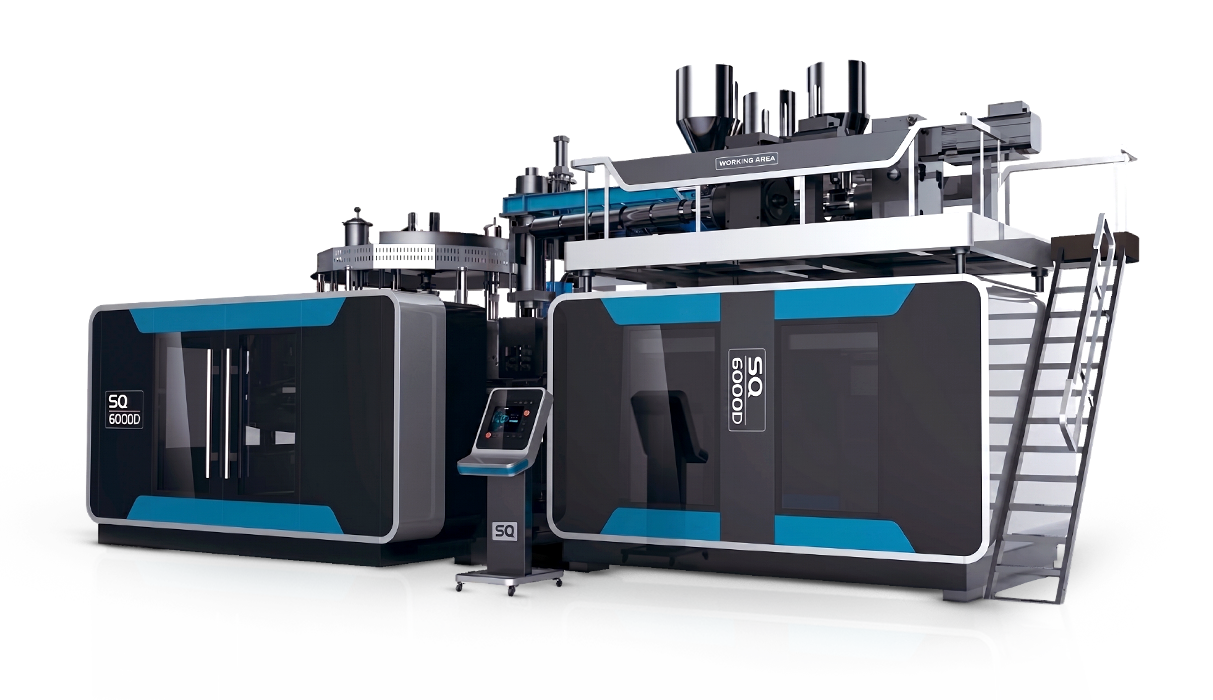
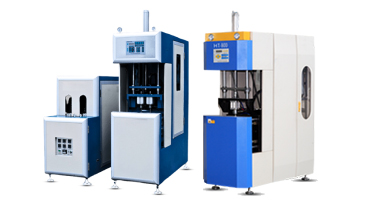
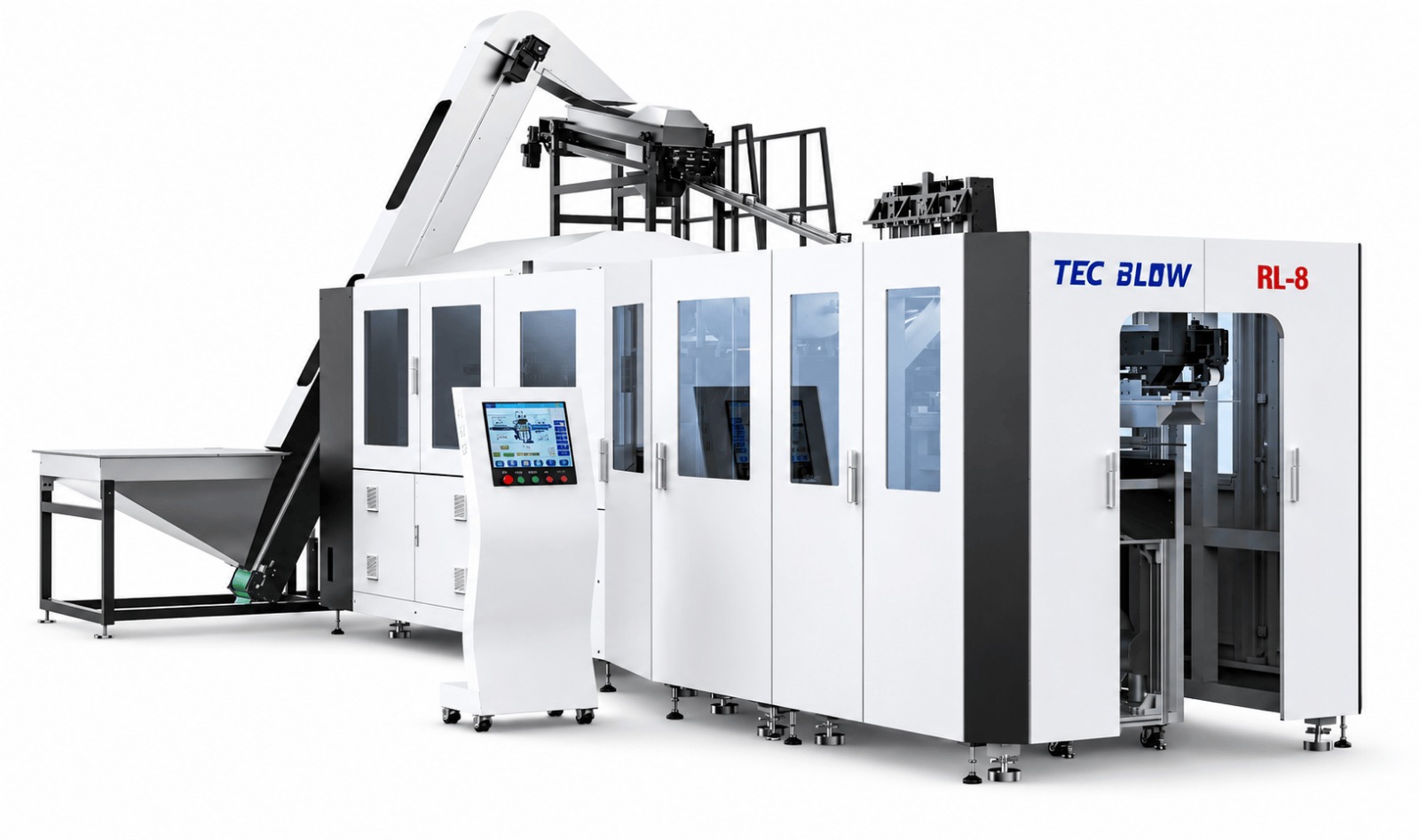
The bottle container is made via an Injection Stretch Blow Molding (ISBM) machine.
In this machine, resin is heated and injected to make preforms. Once preforms are ready, they are blown to take the shape of the mold to become the feeder.
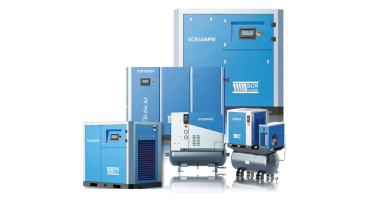
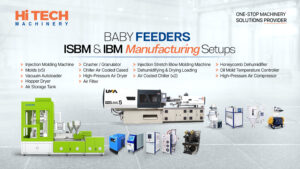
A complete ISBM production line with auxiliaries includes these machines:
- Injection stretch blow molding machine
- Dehumidifying and drying loader
- Two air-cooled chillers
- Honeycomb dehumidifier
- Oil mold temperature controller
- High-pressure air compressor
- High-pressure air dryer
- Air filter
- Air storage tank
The estimated investment for this complete setup is around USD 200,000 (FOB China).
Please note that this estimate includes one bottle mold.
The final investment may change slightly depending on bottle size, bottle design, machine model, exchange rate, and mold specifications.
Injection Molding Setup for Other Parts
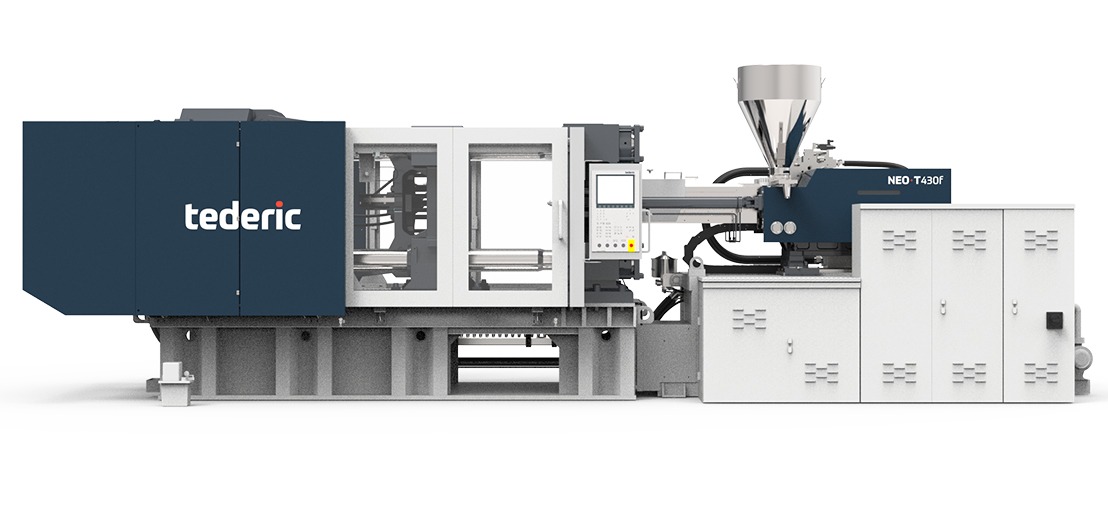
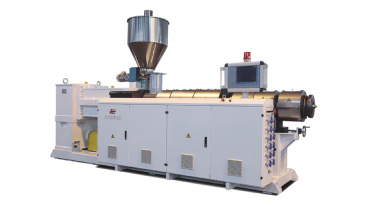
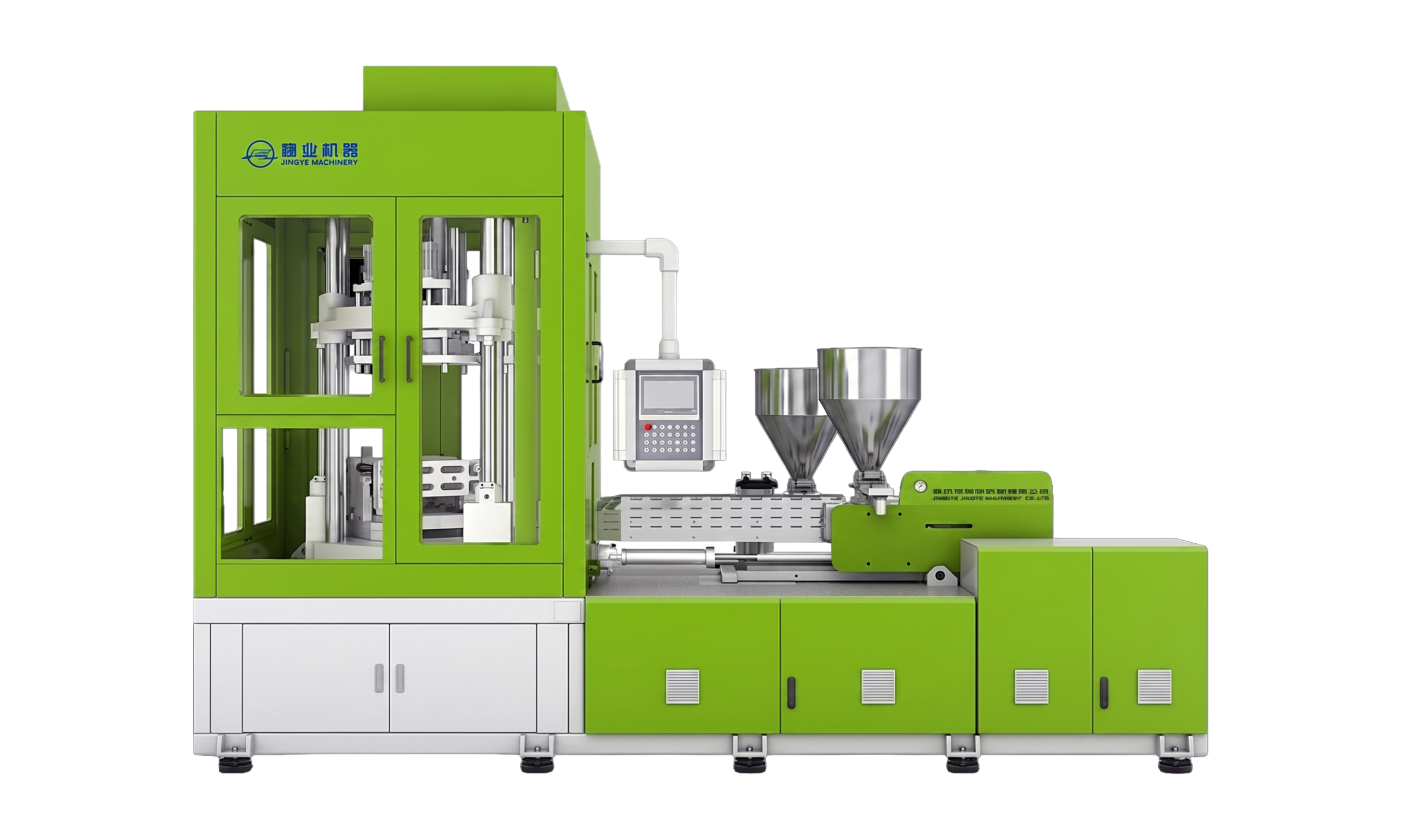
All remaining plastic components are manufactured using an Injection Molding Machine.
These include the collar, cap, handle, cover plate, and filter basket.
A complete injection molding setup generally consists of:
- Injection molding machine
- Five molds (one for each feeder part)
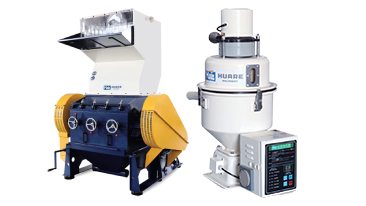
- Vacuum autoloader
- Hopper dryer
- Crusher/granulator
- Air-cooled chiller
The estimated investment for this production line is around USD 100,000 (FOB China).
This estimate includes five molds required for manufacturing the different plastic parts.
Like the ISBM setup, the final investment can vary depending on machine configuration, mold design, and exchange rates.
How Much Can You Earn From This Business?
Now let us discuss the part most investors want to know.
How much profit can this business generate?
Let us take a standard 150 ml baby feeder and calculate the numbers specifically for this.
The manufacturing cost of all plastic parts is approximately PKR 60 to 70. The silicone nipple, which is usually purchased separately, costs around PKR 40. The final packaging box costs approximately PKR 30.
This brings the total manufacturing cost of one complete baby feeder to around PKR 140.
The finished product can generally be sold to distributors for PKR 170 to 180.
This gives an estimated gross profit of PKR 30 to 40 per bottle.
But remember that the actual profit may vary depending on raw material prices, labor costs, electricity charges, production efficiency, and selling price.
The ISBM setup discussed above can produce approximately 380 bottles per hour.
Based on this production capacity, the business can generate nearly PKR 16,000 in gross profit every hour.
If the production line operates for 16 hours per day, the estimated daily gross profit can reach approximately PKR 212,000.
What Will Be the ROI Period?
Return on Investment (ROI) is one of the most important factors before starting any manufacturing business.
Using the initial investment, production capacity, and gross profit estimates discussed above, the expected ROI period for this project is approximately 14-15 months.
Simply put, your initial investment can potentially be recovered in less than one and a half years.
However, keep in mind that the actual ROI depends on many factors, such as:
- Machine utilization
- Production efficiency
- Maintenance
- Product quality
- Operating expenses
- Market demand
- Sales performance
If your business maintains consistent production and strong sales, you can recover your investment faster than those operating below capacity.
HiTech Machinery Is Your Ultimate Help Here
A manufacturing business is more than just purchasing machines.
You need the right production planning, the correct machine configuration, reliable installation, and proper technical support.
This is where HiTech Machinery can help.
We provide complete turnkey solutions for baby feeder bottle manufacturing.
Our support includes:
- Machine selection
- Production line planning
- Installation
- Commissioning
- Operator training
- After-sales service
- Maintenance support
- Local warranty
Whether you are setting up your first manufacturing plant or expanding your existing factory, our experienced team helps you at every stage of the project.
If you are planning to enter the baby feeder manufacturing industry, contact HiTech Machinery today and let our experts help you do it profitably.
Also interested in starting a Plastic Cutlery Manufacturing Business? Read this complete business guide.