
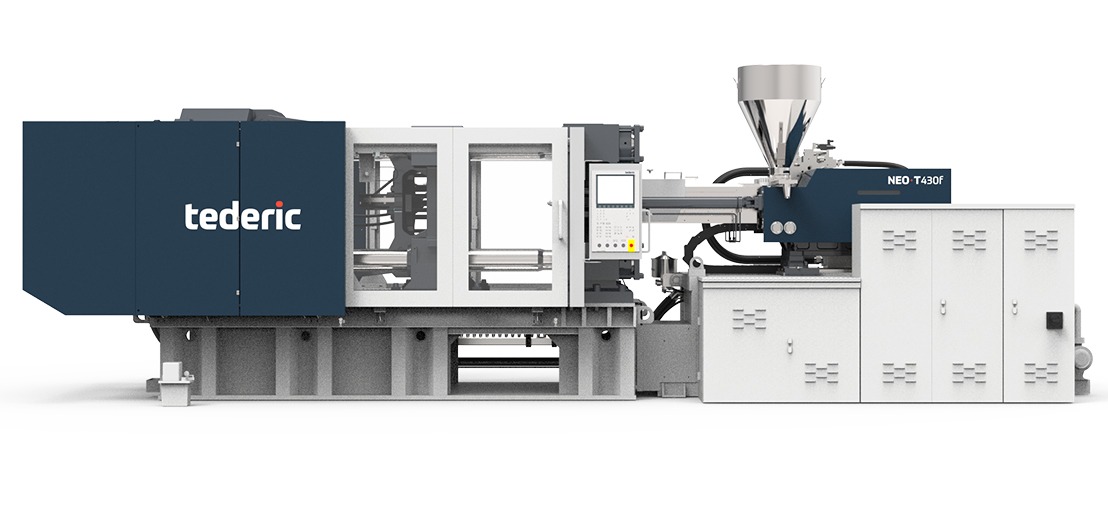
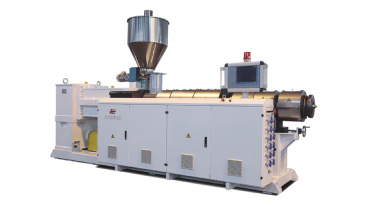
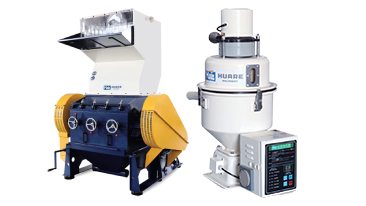
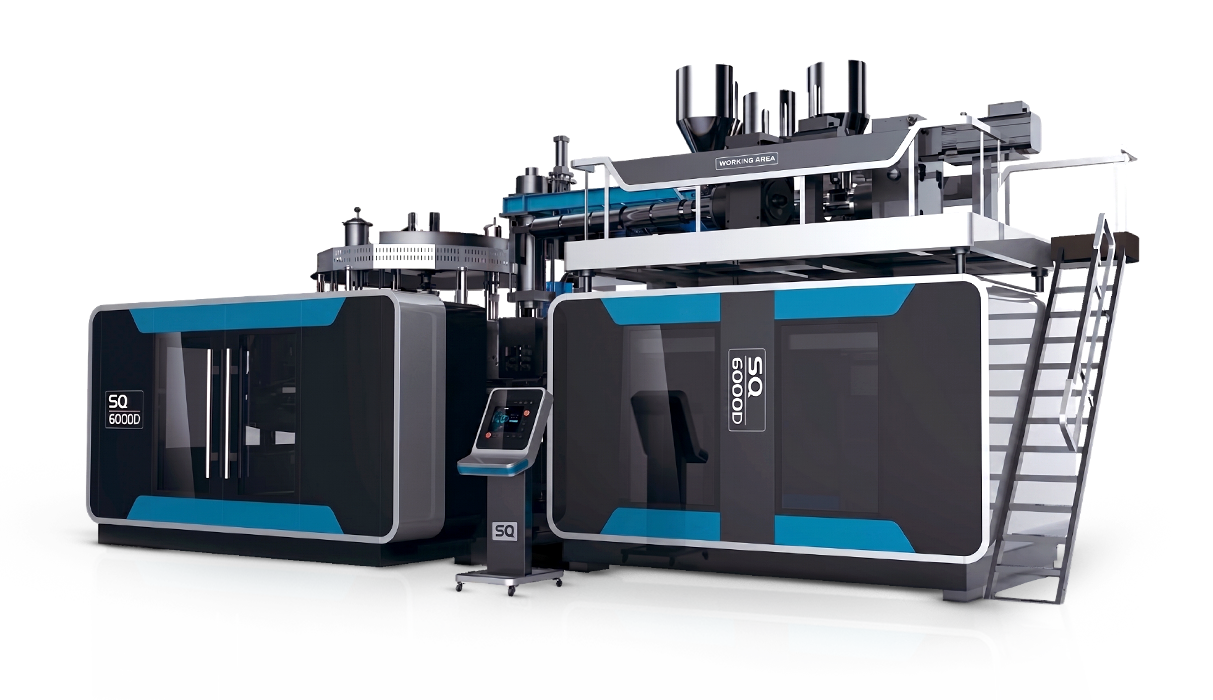
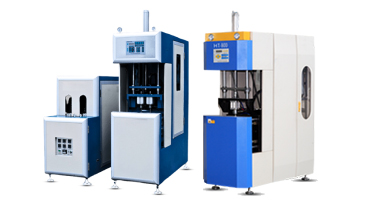
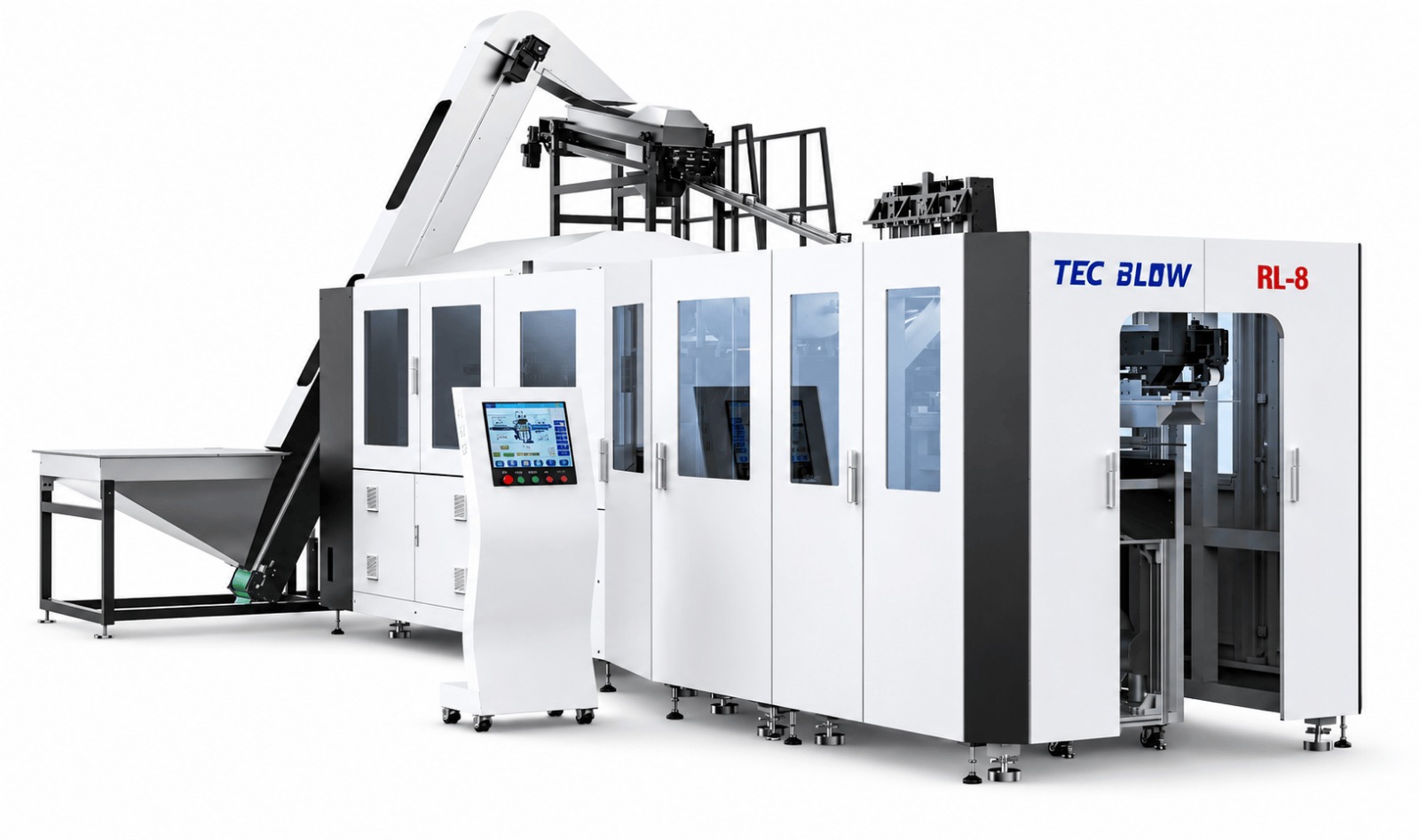
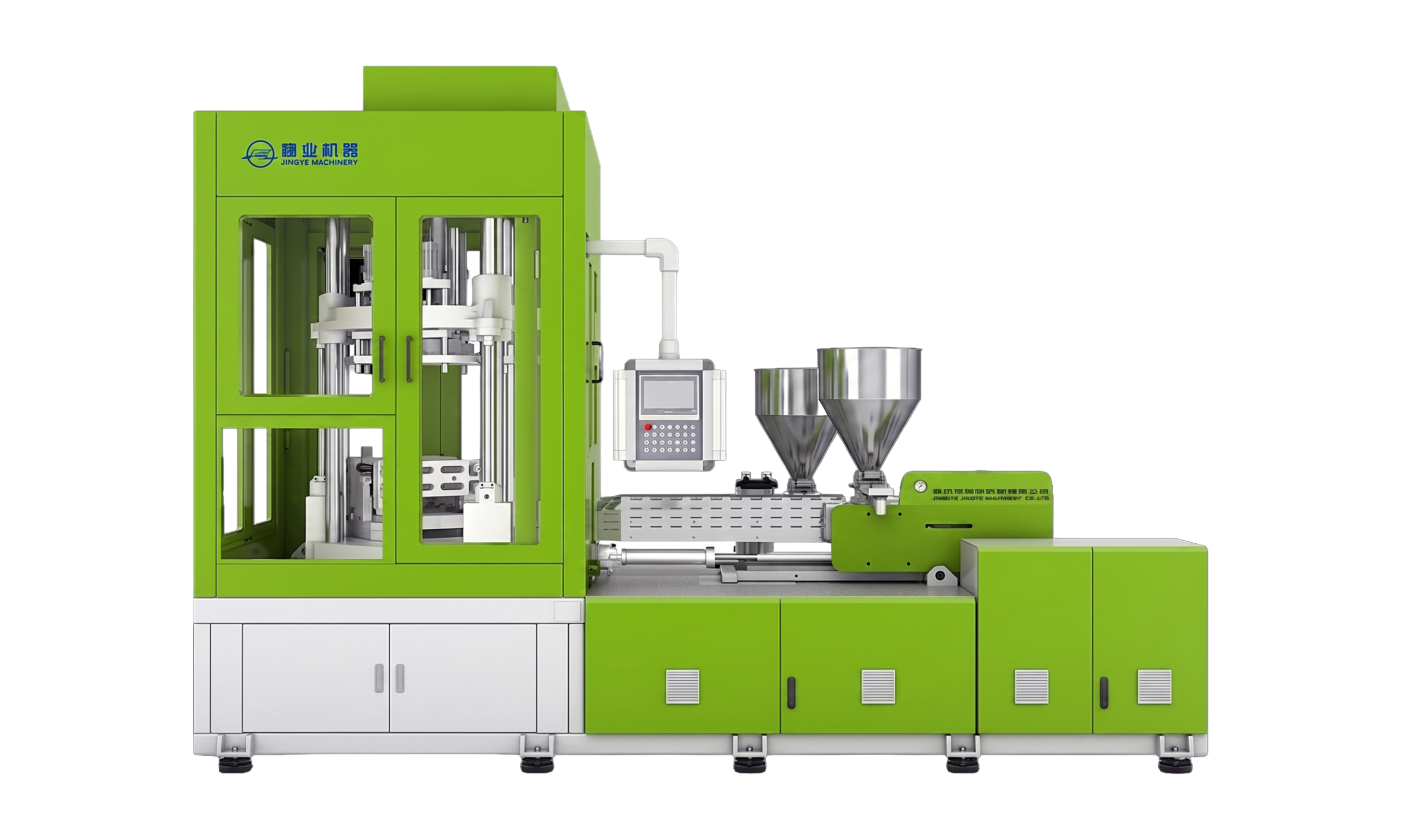



Let us start from the basics!
An injection molding machine is a manufacturing system used to produce plastic parts.
It melts the granules (pellets) and injects the molten matter into a mold cavity under high pressure. Upon cooling, a plastic part forms inside the cavity and is ejected from it.
Which parts (and even sections) are fitted on an IMM depends on its type.
Hydraulic IMM uses hydraulic pumps and oil for its operation, all-electric IMM uses motors, and servo-hydraulic IMM is a hybrid of both.
The key sections on all types of injection molding machines are the same, such as:
- Injection unit
- Clamping unit
- Hydraulic unit (for hydraulic IMMs) and electric unit (for electric IMM)
- Power control unit
However, the parts inside each section widely vary depending on the type.
For example, all-electric IMMs don’t use hydraulic oil for their operations but motors. So, there are going to be no oil-related components on it.
That said, it is time to dive deep into the actual topic!
Parts In Each Section of Injection Molding Machine & Their Functions
An injection molding machine can have many components, ranging from hundreds to thousands.
There are major assemblies, sub-assemblies, and then small components.
To keep things easy to understand, this guide mainly explores up to the sub-assembly level (plus also discusses a few parts).
Here are sections of IMM, assemblies in each section, and some key parts:
Injection Unit
Plastic melting and injection section
The injection unit is where plastic is melted, mixed, and pushed into the mold to start the part production process. This section is often called the ‘heart’ of the IMM machine.
Each part in this section works together to prepare the material properly.
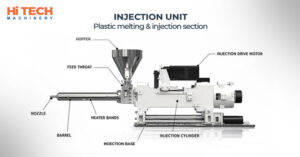
Hopper: A container that stores raw plastic granules and feeds them into the barrel in a controlled way. It can also be in a ‘hopper & dryer’ combination to dry the poured granules before they enter the barrel section.
Barrel: A heated tube where plastic is melted evenly before injection.
Heater Bands: Raise the barrel temperature to a certain scale, so the plastic is melted.
Thermocouples: Measure and control the temperature inside the barrel to avoid overheating or underheating.
Reciprocal Screw: Helical screw inside the barrel that rotates to mix, melt, and move plastic forward. It also moves axially (backward/forward) to inject the shot of molten material into the mold.
Screw Tip Assembly (Check Ring, Retainer, End Cap): Three-piece component at the front of the screw that acts as a non-return valve. It stops molten plastic from flowing backward.
Injection Drive System: A mechanism that powers the reciprocating screw. It provides the force to rotate and move the screw forward to inject molten plastic into the mold.
Nozzle: Tip of the injection unit that connects the barrel to the mold and directs molten plastic into the mold cavity.
Carriage / Injection Base: Moves the injection unit forward and backward, while keeping it properly aligned along the machine frame.
Clamping Unit
Mold Holding and Movement Section
The claiming unit starts operating once the injection unit is done with its job.
It opens and closes the mold, applies high pressure to hold the mold shut during the injection process, and ejects the finished item(s) once it is cooled.
It ensures that the molded part is formed correctly.
These are the key components of the clamping unit:
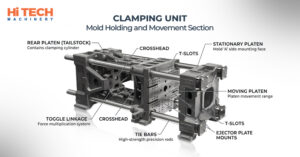
Platens: Steel plates that hold the two halves of the mold. The fixed/stationary platen is fixed to the machine frame, while the moving platen moves along the tie bars to open/close the mold.
Tie Bars: Four steel columns upon which the moving platen moves back and forth so it can be closed against the stationary platen. These provide the necessary support for clamping tonnage.
Clamping Mechanism (Toggle or Hydraulic): Generates the force needed to keep the mold closed during injection.
Clamp Drive System: Controls the movement speed and position of the moving platen.
Mold Mounting System: Secures the two halves of the mold in place (onto the platens) and allows easy installation or removal.
Ejector System: Pushes the solidified product out of the mold after cooling.
Safety Doors & Interlocks: Stop the clamp from closing in case the door is open, so the operator is protected.
Hydraulic/Electric Drive Unit
Power Generating and Motion Controlling Section
This section of an IMM generates, controls, and transmits hydraulic power needed to operate all the machine movements (injection, clamping, ejections, etc.).
It controls force, speed, and motion.
Please NOTE that the drive unit and parts used in it are the key differentiators for hydraulic and electric injection molding machines.
Here is the detailed structural breakdown of both types:
Hydraulic Machine
The hydraulic system uses a combination of pumps, oil, valves, and cylinders to produce clamping/injection pressure/force and control motion.
There are the parts used in the hydraulic drive unit:
Electric Motor: Drives the hydraulic pump. It takes electrical power (electricity) and turns it into mechanical rotation, which the pump depends on.
Hydraulic Pump: Converts mechanical energy (from motor) into hydraulic energy (oil flow), which builds pressure in the system.
Oil Tank (Reservoir): Stores hydraulic oil used for the power (pressure) transmission.
Hydraulic Valves: Control how oil moves in the system. For example, directional control valves (DCV) control oil flow direction, pressure valves prevent pressure overflow, and flow valves control the speed of machine movements.
Hydraulic Cylinders: Convert hydraulic pressure into straight-line linear motion through a piston inside (for injection, clamping, ejection).
Accumulator: Stores pressurized hydraulic oil and releases energy quickly when needed.
Filters: Clean the hydraulic oil by removing dust and metal particles.
Cooling System (Oil Cooler): Controls oil temperature to prevent overheating.
Pipes and Hoses: Carry oil between components. They form the path through which oil flows across the whole system.
Electric Machine
The electrical drive unit uses motors, belts, ball screws, and electronic systems to perform injection, clamping, ejections, and other operations in an all-electric IMM.
That said, these are the parts used in all-electric injection molding machines:
Servo Motors: Core of electrical machines. They move different sections of the machine, such as injection, clamping, and ejection.
Ball Screw: Converts motor rotation into linear movement. It uses a threaded shaft and ball bearings to move forward and backward whenever the motor rotates.
Servo Drive (Amplifier): Controls how the servo motor works. It tells the motor how fast to move, how much force to use, and where to stop.
Encoders (Sensors): Track motor position and speed. They send real-time feedback to the controller for accurate movement.
Cooling System (air/liquid): Removes heat from motors and electronic drives.
Control Wiring and Cables: Connect all electrical components to carry signals and power across the system.
Power Control Unit
The power control unit (PCU) (also known as the electronic unit) acts as the machine’s brain and energy source that controls and monitors everything.
It supplies all the electrical power and signals a machine requires to perform its operations: injections, clamping, ejections, stopping, and so on.
These are the key components of the power control unit on an IMM:
HMI (Touchscreen Panel): Allows the operator to set parameters (temperature, pressure, cycle time) and monitor machine performance.
PLC / Controller: Acts as the brain. It processes inputs and controls all machine operations (injection speed, pressure, temperature, etc.) step by step.
Electrical Cabinet: It consists of many components, such as:
- Circuit Breakers: Protect the system from overloads.
- Contactors & Relays: Control power distribution to different components.
- Power Supply Units: Provide stable electrical power to all components.
Sensors: Temperature sensors, pressure sensors, and position sensors for real-time monitoring.
Wiring and Communication System: Connects all electrical components and transfers data.
Safety System (Emergency Stop, Safety Relays): Instantly stops the machine when pressed, in case of danger.
Which Auxiliaries Parts An Injection Molding Machine Uses?
All the internal parts we discussed so far work together to make an IMM work properly. Along with the internal machine parts, there is also a need for some auxiliaries as well.
Auxiliaries are external supporting parts (or equipment) that help the injection molding machine work to its maximum potential and efficiency.
Some common auxiliaries of injection molding machines used are the following:
Material Handling Auxiliaries
- Hopper loader (auto material feeding)
- Vacuum loader
- Storage hopper/material bins
Material Drying & Preparation
- Hopper dryer
- Dehumidifying dryer
- Material mixer (color mixer/blender)
Temperature Control Auxiliaries
- Mold temperature controller (MTC)
- Water circulation unit
- Oil temperature controller
Cooling System
- Water chiller
- Cooling tower
- Cooling pumps
Part Handling & Automation
- Robot arm (pick and place)
- Sprue picker
- Conveyor belt
Size Reduction & Recycling
- Plastic granulator
- Scrap grinder
Compressed Air System
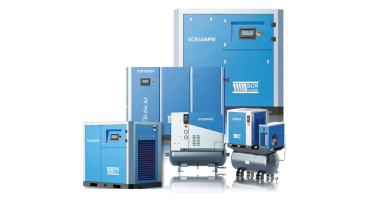
- Air compressor
- Air dryer
- Air filter unit
Quality & Monitoring
- Metal detector (in some setups)
- Weighing system
- Vision inspection system (advanced setups)
What are the Safety and Protection System Components on IMM?
Modern injection molding machines come with multiple layers of safety.
From sensors and safety circuits to physical barriers and aram systems, each feature aims to protect both the operator and the machine itself.
Some visible safety components of IMM include:
- Safety doors (front and rear guards)
- Door interlock system
- Mechanical guards and covers
These safety components work in the background and control or stop the machine electrically.
- Emergency stop (E-stop) buttons
- Safety relays/safety circuit
- Limit switches
- Position sensors (platen, ejector, carriage)
- Overload protection (motors and electrical system)
- Circuit breakers
- Fuses
These protect the machine and mold during operation.
- Pressure relief valves (hydraulic system)
- Temperature control and protection system
- Mold protection system (low-pressure clamping)
- Hydraulic oil level protection
- Hydraulic oil temperature protection
- Cooling system monitoring
- Alarm system (visual and audible)