



In the logistics and manufacturing world, small industrial products often go unnoticed, yet they are essential for smooth operations. Plastic pallets and crates are two such items, critical for material storage and transportation in almost every industry.
Yes, consumer products get a lot of attention because of their mass use and profitability, but industrial goods like pallets and crates have a more focused market. Which, however, is highly profitable, stable, and less competitive. And instead of importing, if they’re made locally, that further adds to their benefits.
In this blog, we’ll explain pallets and crates as a manufacturing product, their types, applications, market opportunities in Pakistan, machinery setup, investment, and how HiTech Machinery can help you start this business with ease.
What is a Plastic Pallet?
A plastic pallet is a flat, horizontal platform used to support goods during storage, stacking, and transportation. It is made such that it can be lifted by forklifts or pallet jacks, making handling heavy or fragile goods much easier and safer.
Traditionally, industrial pallets were made from wood or metal; however, plastic pallets are now preferred because they offer several advantages. They are highly durable, resist moisture and chemicals, and don’t root or rust as earlier ones did.
Moreover, plastic pallets are hygienic and can be easily cleaned, which makes them an option for food-related industries. Another significant benefit is their recyclability, as they can be reused and recycled, helping to reduce environmental impact.
Without pallets, storage and transport in warehouses, factories, and cold storage facilities become inefficient
Types of Plastic Pallets

Plastic pallets vary depending on load capacity, design, and usage:
- Stackable Pallets – Basic design, suitable for storage and repeated stacking.
- Nestable Pallets – Save space when empty by nesting inside one another.
- Heavy-Duty Pallets – Can handle very high loads, often used in industrial warehouses.
- Hygienic/Food-Grade Pallets – Compliant with safety standards for food and pharma industries.
What is a Plastic Crate?
A plastic crate is a rigid container used to store and transport goods safely, especially fragile or perishable items. Crates come in multiple designs: open, closed, and stackable or a combination of them.
Open crates provide easy access and ventilation. So, they’re suitable for items that need airflow. In contrast, closed crates offer secure storage and protection, which safeguards the contents from damage or contamination. Stackable crates are engineered for efficient space utilization, allowing warehouses and transport systems to maximize storage capacity while keeping items organized.
Applications of Plastic crates include dairy and beverages, Agriculture (fruits & vegetables), Fisheries, Retail distribution, Electronics and FMCG. And similar to pallets, crates reduce damage, streamline storage, and improve handling efficiency.
Applications of Pallets & Crates
Plastic pallets and crates are used across multiple industries:
- Warehousing & Distribution: Stack and store goods efficiently
- Food & Beverage: Hygienic handling and storage of perishable items
- Pharmaceuticals: Safe and contamination-free transportation
- Agriculture & Dairy: Storage and transport of fruits, vegetables, and dairy products
- E-commerce Logistics: Efficient order fulfillment and inventory management
How Plastic Pallets and Crates Are Manufactured?
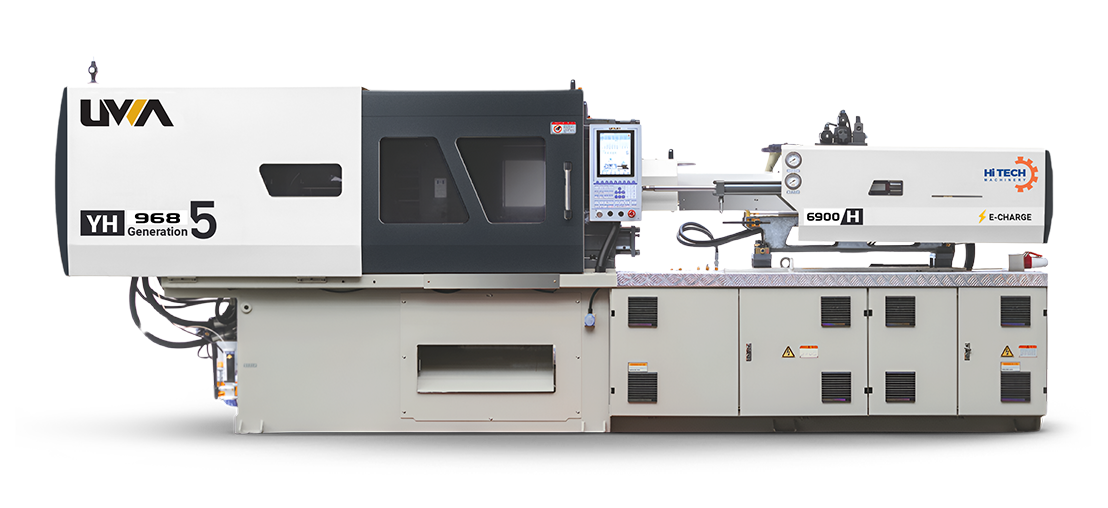
Plastic pallets and crates are manufactured using injection molding machinery, which ensures strength, consistency, and high production volume.
The production of plastic pallets and crates starts with selecting suitable granules like PP, HDPE, or GFPP based on durability and load capacity.
The granules are melted and injection molded, then cooled and ejected. Each item is inspected for quality before being packed and shipped to warehouses or industries.
Local and Global Market Opportunity
The global crates and pallets market is expected to reach USD 120 billion by 2033, growing at 5.2% annually. Pakistan has a real chance to grab a solid share of this growth.
E-commerce growth has pushed demand even higher for reliable storage solutions. Right now, Pakistan imports a lot of these products, which opens the door for local manufacturers to fill the gap and offer better prices. Most factories and warehouses use hundreds of pallets and crates, and they replace them regularly, so there’s steady demand.
Why Plastic Pallet & Crate Manufacturing is Profitable
If you’re wondering why this industry makes sense for investors, there are several solid reasons that make pallet and crate manufacturing both stable and lucrative.
It’s Tied to Real Demand
Pallets and crates are industrial essentials, not optional. Factories, warehouses, and logistics operations across electronics, food & beverage, pharma, FMCG, and textiles can’t function without them.
E-Commerce is Fueling Growth
Online shopping keeps growing, and every package delivered started on a pallet in a warehouse. As e-commerce expands, so does the need for storage and distribution infrastructure.
Built to Last Easy to Handle
Plastic pallets are tough designed for heavy loads and rough handling. They’re also stackable, making storage and transport efficient without the hassle of fragile inventory.
Low Competition High Barriers to Entry
The upfront investment in machinery keeps many players out, meaning less competition. In Pakistan, most pallets are imported, creating a clear opportunity. Local production cuts costs, serves customers faster, and opens export potential to Bangladesh, India, and Vietnam.
Machinery & Setup Required
To start a plastic pallet and crate manufacturing business, you need the following:
1. Injection Molding Machines:
Two-Platen Injection Molding Machine (~2400 tons) Ideal for large pallets. Hydraulic Injection Molding Machine (~500 tons) Suitable for crates
2. Molds:
Specialized molds for each pallet and crate type ensure dimensional accuracy and durability.
3. Auxiliary Equipment:
The auxiliary machinery supports the main production line and ensures smooth, efficient operation:
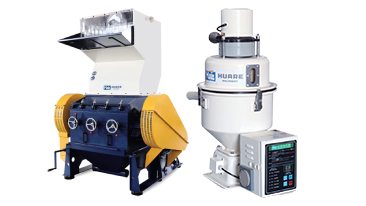
- Hopper Dryer: Removes moisture from granules
- Vacuum Auto Loader: Automates material feeding
- Air-Cooled Chiller: Maintains mold temperature
- Crusher/Granulator: Recycles defective products
- Optional Automation:
Robotic take-out systems reduce labor dependency and increase efficiency. HiTech Machinery provides all machines, molds, and auxiliary equipment, along with installation, training, and local after-sales support.
Investment & Cost Overview
Starting a pallet and crate production unit requires a high investment, since it employs the use of two platen injection molding, which are costly and bulky.
A typical pallet and crate manufacturing starts at around $840,000. It could change if you plan to just start with either pellet or crate.
For exact feasibility and a quote, we recommend reaching out to HiTech Machinery’s sales team.
How HiTech Machinery Supports Your Business
HiTech Machinery offers complete solutions for plastic pallet and crate manufacturing, including injection molding machines, custom molds, and all necessary auxiliary equipment. Along with installation and commissioning support, local warranty and after-sales service, and operator training with technical guidance.
Contact HiTech Machinery today to get your machines, molds, and complete project support to start your production line successfully.
