




The textile industry is the backbone of Pakistan’s economy. From spinning to weaving and knitting, every textile process relies on small but critical components to function smoothly. One such component is the yarn bobbin.
Yarn bobbins may look like a simple plastic product, but without them, textile production cannot run. Despite their massive usage, yarn bobbins are still largely imported, making them a strong and often overlooked manufacturing opportunity for local investors.
In this blog, we’ll explain what yarn bobbins are, how they are used, their market demand in Pakistan, and how you can start a yarn bobbin manufacturing business with the right machinery and setup.
What is a Yarn Bobbin?
A yarn bobbin is a spool-like component used to hold, store, and feed yarn during different textile manufacturing processes.
If you’ve ever seen a sewing thread “nalki,” a yarn bobbin works on the same principle—just on an industrial scale. It keeps yarn neatly wound, prevents tangling, and allows yarn to unwind smoothly at a controlled speed and tension.
Without bobbins, yarn handling becomes inefficient, leading to breakage, uneven tension, and machine downtime.
Types of Yarn Bobbins You Can Manufacture

Yarn bobbins are available in different geometries and sizes for specific machines and textile applications. Typically, there are four main classes:
Cylindrical Bobbins
Standard straight-shaped bobbins are the most common. They are for smooth yarn winding and feeding and are used in multiple textile applications.
Dyeing Bobbins
Perforated bobbins have circular holes that allow dyes and chemicals to pass through evenly, ensuring uniform color absorption. These bobbins are used in dyeing machinery.
Cone Bobbins
These bobbins have a cone-like shape. The conical design is used where specific winding and unwinding behavior is required, especially controlled yarn tension.
Spinning Bobbins
As the name suggests, these bobbins are designed specifically for spinning machines. They can handle high rotational speeds while maintaining excellent balance and durability.
How Yarn Bobbins Are Manufactured
Plastic yarn bobbins are manufactured using injection molding machines. Here’s how the process goes:
- Plastic granules like PP, GFPP, PPO, and PC are carefully selected based on the type and applications of bobbins.
- The plastic granules are heated until they melt and then injected under high pressure into precision-engineered bobbin molds. After cooling and solidification, the bobbins are ejected, ready for further quality checks.
- The molded bobbin is allowed to cool inside the mold so it retains its exact shape and strength. Once properly solidified, it is ejected automatically from the mold, ready for the next cycle.
- Each bobbin is inspected for a smooth surface finish and precise dimensions. This quality check ensures the bobbins run smoothly on high-speed textile machines without issues.
Yarn Bobbin Market Opportunity in Pakistan
Pakistan is one of the world’s largest textile-producing countries, making yarn bobbins a continuously demanded product. Here are some interesting stats in this regard:
- Pakistan’s textile exports in FY25: USD 17.88 billion
- Textile sector employs ~40% of the national labor force
Installed spinning capacity: 13.4 million spindles across 408 units
Each spindle requires multiple bobbins in rotation full, empty, and buffer stock.
Even with a very conservative estimate of 4 bobbins per spindle, the industry needs:
- 54+ million bobbins in circulation
- Replacement demand: 10–30+ million bobbins per year
Where Are Yarn Bobbins Used in the Textile Industry?
Yarn bobbins are used at almost all stages of textile production:
- Spinning: To wind freshly spun yarn from spindles
- Dyeing: To hold yarn while it passes through dye baths
- Weaving: To feed yarn consistently into the looms
- Knitting: To maintain smooth yarn flow and tension
Materials Used for Plastic Yarn Bobbins
Although bobbins were once made from wood or cardboard, modern textile mills prefer plastic yarn bobbins due to their strength and long life. Commonly used materials include:
- PP (Polypropylene): Lightweight, cost-effective, and widely used
- GFPP (Glass Fiber Reinforced PP): Higher strength and heat resistance
- PPO: Excellent dimensional stability
- ABS: Good impact resistance
- PC (Polycarbonate): High strength for demanding applications
Why Yarn Bobbin Manufacturing is a Profitable Business
One may ask why they should step into this niche business. Well, there are strong reasons for this:
1. Continuous Industrial Demand
Textile mills operate year-round. Yarn bobbins are consumables with regular replacement cycles, ensuring smooth production flow and minimizing downtime risks, supporting continuous high-quality output.
2. Import Substitution Opportunity
Most bobbins are imported. Local manufacturing reduces cost and delivery time for mills, improving operational efficiency, ensuring faster availability and consistent supply for uninterrupted production.
3. Simple Product, High Volume
Bobbins are technically simple but are produced in large quantities, which make them an ideal for injection molding, ensuring consistent quality output and meeting high-volume industrial demand efficiently.
4. Low Design Obsolescence
Bobbin designs don’t change frequently, reducing R&D risk, saving time and development costs, while allowing manufacturers to focus on production efficiency and scalability.
Machinery & Setup Required for Yarn Bobbin Manufacturing

Starting a yarn bobbin manufacturing unit requires injection molding machine molds,
1. Injection Molding Machine
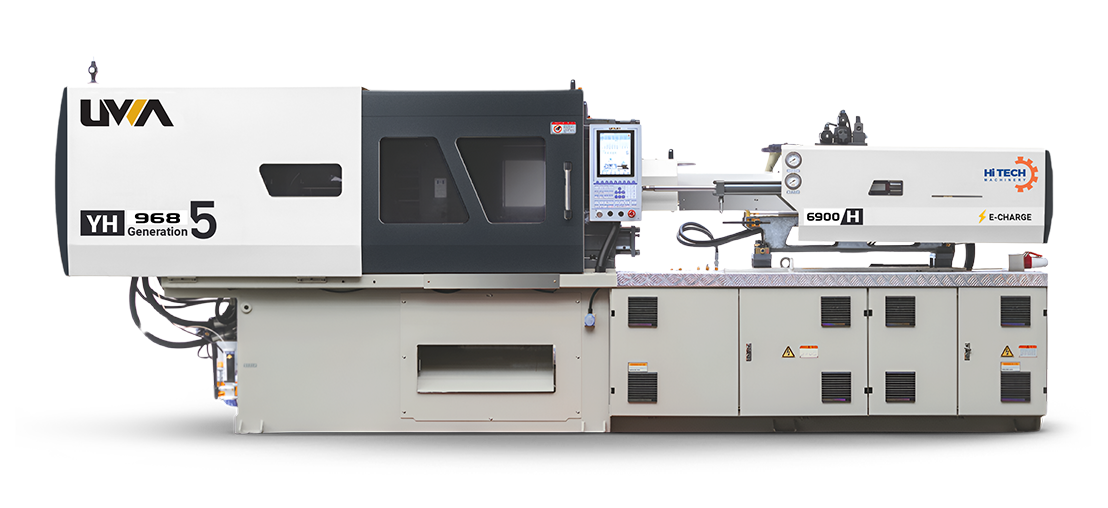
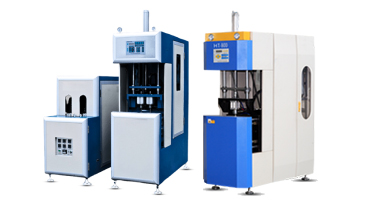
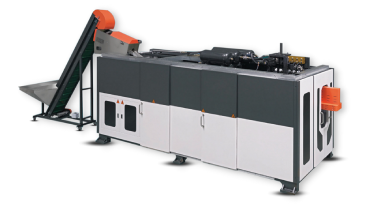
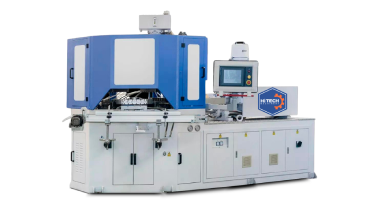
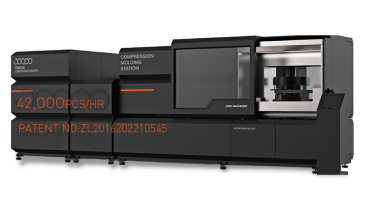
The core machine used to produce bobbins. Machine tonnage depends on bobbin size and mold design. Normally, we recommend between 250 and 300 tons for common cylindrical bobbins. HiTech Machinery supplies reliable injection molding machines suitable for small to large-scale production.
2. Bobbin Molds
You need a separate, specific mold for each type. High-quality molds ensure balance, strength, and long mold life.
3. Auxiliary Equipment
To support smooth production with auxiliary machinery:
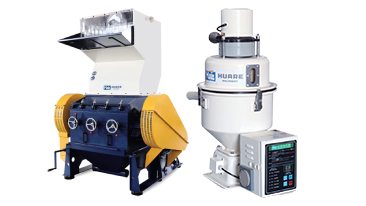
- Hopper Dryer – Removes moisture from plastic granules
- Vacuum Autoloader – Automatic material feeding
- Industrial Chiller – Controls mold temperature
- Granulator – Recycles rejected parts
Investment & Cost Overview
The total investment depends on production scale and the number of molds. A yarn bobbin manufacturing setup with 7 different molds falls within a moderate investment range, around $130,000 to $150,000. For more details on investments, you can reach out to HiTech Machinery.
How HiTech Machinery Helps You Start Yarn Bobbin Manufacturing
HiTech Machinery provides a complete project solution, not just machines. Besides, machines and custom bobbin molds, we provide Installation & Commissioning, Local Warranty & After-Sales Support, and Operator Training & Technical Guidance.
If you’re planning to enter plastic manufacturing, yarn bobbins are one of the safest products to start with.
Contact HiTech Machinery today.
