



Food is a necessity, and because of that, the businesses built around it never stop. Every time food is served, whether on an airplane, in a hospital, at a restaurant, or through a food delivery app, certain products quietly do their job in the background. One such segment is plastic cutlery.
Plastic cutlery may seem like a simple, low-value product, but it powers a billion-dollar global industry. Despite Pakistan’s massive food service sector, much of the plastic cutlery used by airlines, hotels, and restaurants is still imported. This creates a significant manufacturing opportunity for local investors who understand the potential.
In this blog, we’ll explain what plastic cutlery is, the different types you can manufacture, how it’s produced, the market opportunity in Pakistan, and how you can start your own plastic cutlery manufacturing business with the right machinery and setup.
What is Plastic Cutlery?
Plastic cutlery refers to any eating utensil or food service item made from plastic materials. It can be reusable or disposable, though the term is most commonly used for single-use items.
Think of every spoon that comes with your biryani delivery, every fork served with airline meals, or every food container used by cloud kitchens. All of these fall under the plastic cutlery category, and all of them can be manufactured locally.
The beauty of this product is its simplicity. It doesn’t require complex engineering or sophisticated technology. Yet, it’s consumed in massive quantities every single day, making it a high-volume, repeat-purchase business.
Types of Plastic Cutlery You Can Manufacture
The plastic cutlery segment is broader than most people realize. You’re not limited to just spoons and forks. Here are the main product categories:
Disposable Spoons and Forks
The most common items in the category. These are used everywhere—from street food vendors to five-star hotels. They come in various sizes: dessert spoons, soup spoons, dinner forks, and more.
Plastic Plates and Bowls
Lightweight, stackable, and perfect for catering events, parties, and takeaway services. Available in multiple sizes and depths depending on the application.
Meal Boxes and Food Containers
These include lunch boxes, biryani boxes, salad containers, and compartment trays. The rise of food delivery apps has skyrocketed demand for these products.
Thin-Wall Containers
Specialized high-speed molded containers are used for yogurt, ice cream, sauces, and other packaged foods. These require specific machinery but offer excellent margins.
Cups and Lids
Plastic cups for beverages, desserts, and cold drinks, along with matching lids. These are staples in QSRs (quick-service restaurants) and cafes.
How is Plastic Cutlery Manufactured?
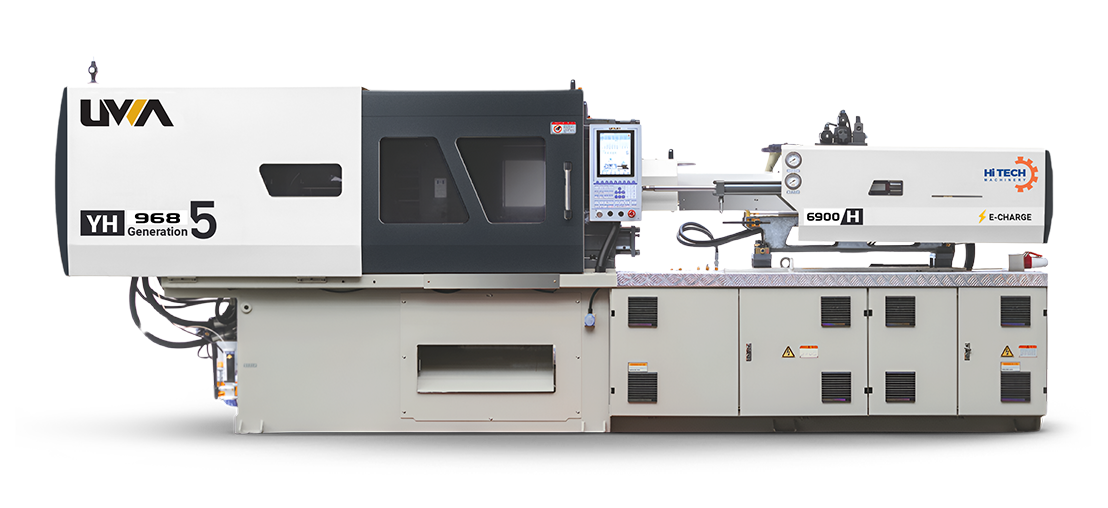
Plastic cutlery is manufactured using injection molding technology. Food-grade plastic resins like PP (Polypropylene), PS (Polystyrene), and PET (Polyethylene Terephthalate) are selected based on the product type.
The plastic granules are fed into the injection molding machine’s hopper, heated until they melt, and then injected under high pressure into precision-engineered molds designed for specific cutlery items, such as spoons, forks, plates, or containers.
Once the molten plastic fills the mold cavity, it cools and solidifies within seconds. The mold then opens automatically, and the finished product is ejected using robotic arms and take-out devices for high-speed production.
Each item is inspected for smooth edges, proper thickness, and dimensional accuracy to ensure it’s safe for food contact and meets industry standards.
The entire cycle from injection to ejection takes only a few seconds, which is why a single machine can produce over 100,000 units per day.
Market Opportunity in Pakistan

The plastic cutlery market in Pakistan is largely untapped from a local manufacturing perspective. Reasonable estimates suggest the global disposable cutlery market is worth approximately $1.6 billion annually, and while local statistics for Pakistan are unavailable due to market fragmentation, the demand is visible everywhere.
The market serves two major buyer segments: first, B2B or institutional buyers like airlines, railways, hotels, hospitals, and corporate catering services that require complete cutlery sets for every meal served.
For example, Pakistan International Airlines alone serves hundreds of thousands of meals annually, each requiring a full set of disposable cutlery.
Second, the local market consists of everyday consumers, QSRs (quick-service restaurants), cloud kitchens, food delivery platforms, caterers, and takeaway businesses, where the explosion of food delivery apps like Foodpanda, Cheetay, and others has created massive demand for meal boxes, spoons, and containers.
Currently, much of Pakistan’s plastic cutlery for institutional buyers is imported, which means local manufacturing allows you to undercut import prices while maintaining healthy margins, capture foreign exchange savings, and position yourself as a reliable domestic supplier with faster delivery times.
Where is Plastic Cutlery Used?
Plastic cutlery serves almost every corner of the food service industry:
Airlines: Complete meal sets with spoons, forks, knives, and trays for in-flight meals
Railways: Meal services on long-distance trains
Hospitals: Patient meal trays and cafeteria services
Hotels and Restaurants: Takeaway packaging, room service, and buffet events
Cloud Kitchens: Delivery-only restaurants that rely entirely on disposable packaging
Catering Services: Wedding halls, corporate events, and outdoor functions
QSRs and Fast Food Chains: Burger joints, pizza outlets, and café chains
Retail and Supermarkets: Pre-packaged food items and deli counters
Why Invest in Plastic Cutlery Manufacturing?
If you’re considering this business, here are the compelling reasons why it’s a profitable venture:
1. Guaranteed Bulk Purchases
Most buyers are institutional clients, where hundreds of thousands of meals are served daily, with each cutlery set discarded after a single use. This creates not just higher bulk production requirements, but a recurring demand cycle. Once you secure contracts with airlines, hospitals, or hotel chains, you have steady, long-term revenue streams.
2. High-Volume Production Efficiency
These are small items with production rates exceeding 100,000 units daily from a single machine. High volume means better economies of scale, lower per-unit costs, and higher profit margins as you scale. The more you produce, the more profitable each unit becomes.
3. Multiple Revenue Streams
You’re not dependent on one customer type. The business serves both institutional B2B contracts (stable, high-volume) and the fragmented local market (flexible, cash-flow positive). If one segment slows, the other provides a buffer. Cloud kitchens and food delivery apps alone have experienced explosive growth in Pakistan’s urban centers.
4. Simple Product, Low Design Obsolescence
Unlike electronics or fashion, cutlery designs don’t change frequently. A spoon remains a spoon. This reduces R&D risk, saves development costs, and allows you to focus entirely on production efficiency and market penetration.
5. Barrier to Entry Protects Your Investment
The setup cost itself creates a significant barrier to entry. Not everyone can invest $700,000+ in machinery, molds, and auxiliaries. Once you’re operational, this barrier protects your market position from casual entrants.
Machinery and Setup Required for Plastic Cutlery Manufacturing
Starting a plastic cutlery manufacturing business requires specific equipment. Here’s what you need:
1. Injection Molding Machines
The core equipment for production. You’ll need different machine types depending on your product mix:
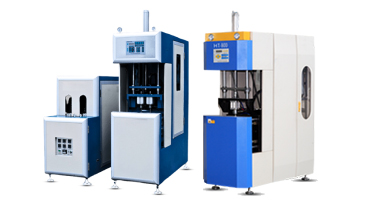
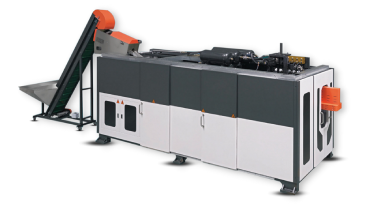
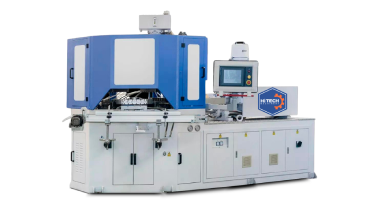
Mid-Speed Machines: For standard cutlery like spoons, forks, and plates. HiTech Machinery recommends the proven Tederic DT series for reliable performance.
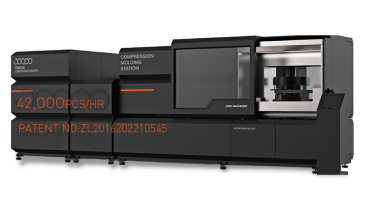
High-Speed Machines: For thin-wall containers like yogurt cups and sauce containers. The NEO T series is ideal for this application.
All-Electric Machines: The international standard for food-grade products. These machines offer superior precision, energy efficiency, and cleanliness—critical for food contact items.
2. Product-Specific Molds
Each product requires its own precision-engineered, customized mold. A spoon mold is different from a fork mold or a container mold. High-quality molds with multi-cavity designs allow you to produce multiple items per cycle, maximizing output.
3. Auxiliary Equipment
To support smooth, efficient production, you’ll need this auxiliary equipment:
- Autoloader: Automatically feeds plastic granules into the machine hopper
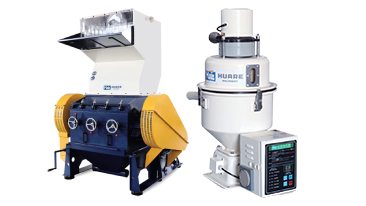
- Hopper Dryer: Removes moisture from plastic material to prevent defects
- Air-Cooled Chiller: Controls mold temperature for consistent quality
- Crusher (HSS Series): Recycles rejected parts and production waste
- Take-out Robot (3-axis): Automatically removes finished products from molds
- Conveyor System: Transports products for packaging
- Double Station Stacking Device: Organizes products efficiently for packing
Investment and Cost Overview
The total investment depends on your production scale and product range. A typical plastic cutlery manufacturing setup, including machines, molds, and auxiliaries, runs approximately $700,000.
For all-electric machines, which are preferred for food-grade production, the investment is higher but offers better long-term returns through energy savings, precision, and lower maintenance costs.
While this may seem like a substantial investment, remember that the setup cost itself creates a barrier to entry that protects your market position once you’re established.
How HiTech Machinery Helps You Start Plastic Cutlery Manufacturing
HiTech Machinery doesn’t just sell machines; we provide complete turnkey solutions to launch your plastic cutlery business successfully.
We supply the full range of injection molding machines (mid-speed, high-speed, and all-electric models), custom-designed molds for all cutlery types, and all necessary auxiliaries from autoloaders to robots.
Our technical team handles installation and commissioning, local warranty coverage, after-sales support, a comprehensive spare parts inventory, and operator training to optimize your production efficiency and product quality.
Contact HiTech Machinery today to discuss your plastic cutlery manufacturing setup.
