



In Pakistan’s rapidly growing motorcycle industry, certain components remain overlooked despite being essential for rider safety and comfort. The helmet visor is one such product that plays a critical role in protecting millions of riders daily.
Yes, complete helmets get attention because of safety regulations and visible branding, but the visor itself represents a more specialized market. It is highly profitable with repeatable demand and minimal local competition. And instead of relying on imports, if visors are manufactured locally, that creates even greater business advantages.
In this blog, we’ll explain helmet visors as a manufacturing product, their importance, types, applications, market opportunities in Pakistan, machinery setup, investment details, and how HiTech Machinery can help you enter this business with confidence.
What is a Helmet Visor?
A helmet visor is the transparent or tinted shield attached to the front of a motorcycle helmet. It protects the rider’s eyes and face from wind, dust, rain, insects, debris, and sunlight while maintaining clear visibility during the ride.
Traditionally, helmet visors were made from basic plastic materials that scratched easily and offered limited protection. However, modern visors are now made from polycarbonate, a material known for its optical clarity, impact resistance, and lightweight properties.
Moreover, helmet visors are designed to be replaceable since they wear out faster than the helmet shell itself. Scratches, cracks, and reduced transparency from prolonged sun exposure make regular replacement necessary for safe riding.
Without a quality visor, riding becomes uncomfortable and dangerous. Vision impairment from scratches or glare can lead to accidents, especially during high-speed travel or harsh weather conditions.
Types of Helmet Visors
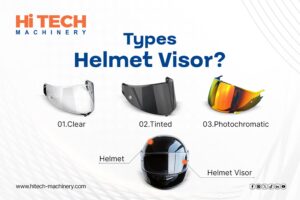
Helmet visors vary based on transparency, coating, and usage conditions:
Clear Visors
Standard transparent design suitable for everyday riding and maximum visibility.
Tinted Visors
Reduce glare from sunlight, ideal for daytime riding in bright conditions.
Photochromic Visors
Automatically adjust tint based on light exposure, offering versatility across different times of day.
Anti-Fog Visors
Treated with special coatings to prevent condensation buildup during cold or rainy weather.
Mirrored Visors
Reflective surface that blocks strong sunlight while giving a premium aesthetic look.
Applications of Helmet Visors
Helmet visors are used across different riding scenarios and helmet types:
Daily Commuters
Riders using motorcycles for work or school need durable visors that withstand daily wear and tear.
Delivery Riders
E-commerce and food delivery services rely heavily on motorcycles. Their riders need reliable visors that handle multiple weather conditions throughout the day.
Long-Distance Travelers
Touring riders require high-quality visors with anti-fog and UV protection for comfort during extended trips.
Sports and Racing
Professional riders use specialized visors with advanced coatings for maximum clarity and safety at high speeds.
Market Size of Helmet Visors
The helmet visor market in Pakistan is directly linked to the motorcycle industry. With stricter helmet laws and rising safety awareness, visor demand continues to grow year after year.
According to the Economic Survey of Pakistan 2022-23, around 77% of vehicles on the road are motorcycles. Reports suggest there are approximately 26.9 million registered bikes, while Gallup research indicates 21.2 million bike sales between 2007 and 2024.
This points to a massive potential market. Even if only a fraction of motorcycle owners replace their visors annually, the demand remains substantial and consistent.
Unlike helmets, which riders buy once and use for years, visors are replacement items. Scratches from daily use, visibility reduction from UV exposure, and accidental damage create a continuous replacement cycle.
Why Invest in Helmet Visor Manufacturing?
If you’re considering entering the helmet accessories market, visor manufacturing offers several compelling advantages that make it both profitable and sustainable.
Strong Import Reliance
Currently, most helmet visors sold in Pakistan are imported from China and other countries. However, they can be manufactured locally with the right machinery and molds. With minimal local competition, a domestic manufacturer can capture significant market share and offer faster delivery with better pricing.
Repeatable Demand with Low Customer Switching
Visors wear out and need replacement. Unlike helmets that last for years, a visor’s lifespan is shorter due to scratches and wear. This creates ongoing demand from the same customer base. Once riders trust a brand for quality, they return for replacements.
Scalable to Full Helmet Production
Starting with visors allows you to enter the market with lower investment. Later, you can scale up by adding helmet shell production. Producing both components together increases revenue, allows shared machinery use, and offers customers a complete solution under one brand.
Growing Safety Awareness
Government mandates on helmet usage are becoming stricter. As more riders adopt helmets, the visor replacement market expands proportionally. Rising awareness about road safety further drives demand for quality protective gear.
How Helmet Visors Are Manufactured
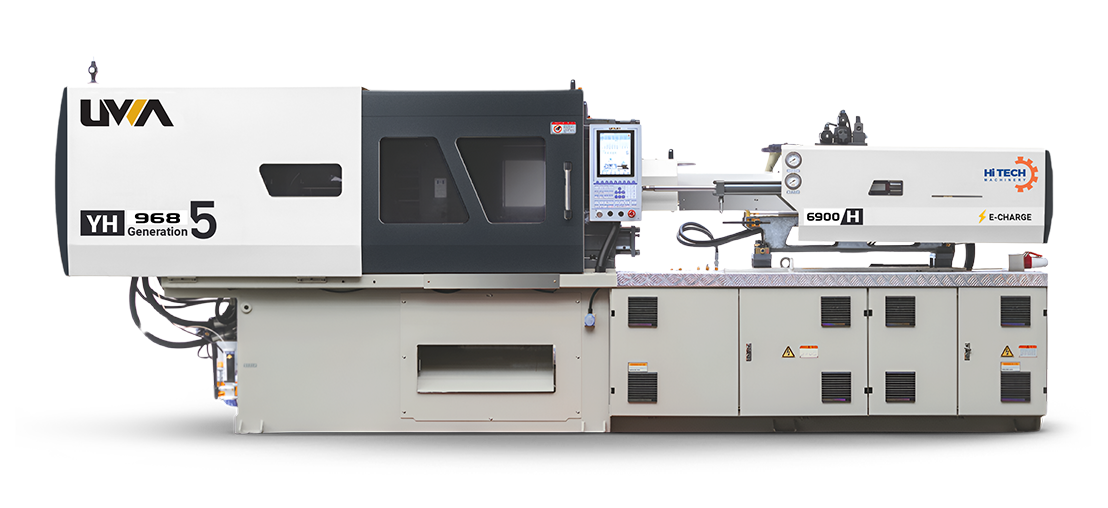
Helmet visors are manufactured using injection molding technology, which ensures precision, consistency, and high production volume.
The production process begins with selecting suitable raw materials. Polycarbonate granules are the standard choice due to their optical clarity and impact resistance. These granules are fed into the injection molding machines, where they are heated and melted.
The molten material is then injected into a precision mold that shapes the visor. After cooling, the visor is ejected from the mold. Each piece undergoes quality inspection for clarity, thickness, and structural integrity before packaging and shipment.
For tinted or coated visors, additional processing steps include applying UV coatings, anti-fog treatments, or mirror finishes, depending on the product specifications.
Machinery & Setup Required
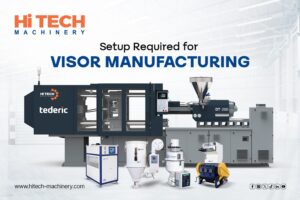
To start a helmet visor manufacturing business, you need the following equipment and infrastructure:
- Injection Molding Machine
A standard injection molding machine, around 200 tons is suitable for visor production. We recommend the Tederic DT200/i850 for its reliability and precision in producing optical-quality parts.
- Specialized Molds
Custom molds designed specifically for helmet visors are essential. These molds ensure dimensional accuracy, optical clarity, and consistent quality across production batches.
- Auxiliary Equipment
Supporting auxiliary machinery ensures smooth and efficient production operations:
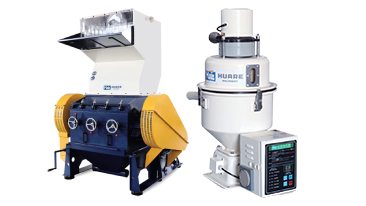
Vacuum Auto Loader – Automates material feeding and reduces manual handling
Hopper Dryer – Removes moisture from polycarbonate granules to prevent defects
Air-Cooled Chiller – Maintains optimal mold temperature for quality output
HSS Series Crusher – Recycles rejected or defective visors back into production
Investment & Cost Overview
Starting a helmet visor manufacturing unit requires moderate investment compared to other industrial products. The exact cost depends on production capacity, automation level, and whether you plan to manufacture only visors or expand to full helmet production.
A basic visor production setup with one injection molding machine, mold, and essential auxiliary equipment starts at around $60,000. Scaling to helmet production increases investment but also significantly boosts revenue potential.
For detailed feasibility analysis, customized quotes, and ROI projections based on your specific requirements, we recommend consulting with HiTech Machinery’s technical and sales team.
How HiTech Machinery Supports Your Business
HiTech Machinery provides complete turnkey solutions for helmet visor and helmet manufacturing. We supply injection molding machines, precision molds for visors and helmets, and all necessary auxiliary equipment.
Along with machinery, we provide installation and commissioning support, comprehensive operator training and technical guidance, local warranty coverage, and ongoing after-sales service with spare parts availability.
Contact HiTech Machinery today to explore the helmet visor manufacturing opportunity and get your complete project support for a successful production launch.