
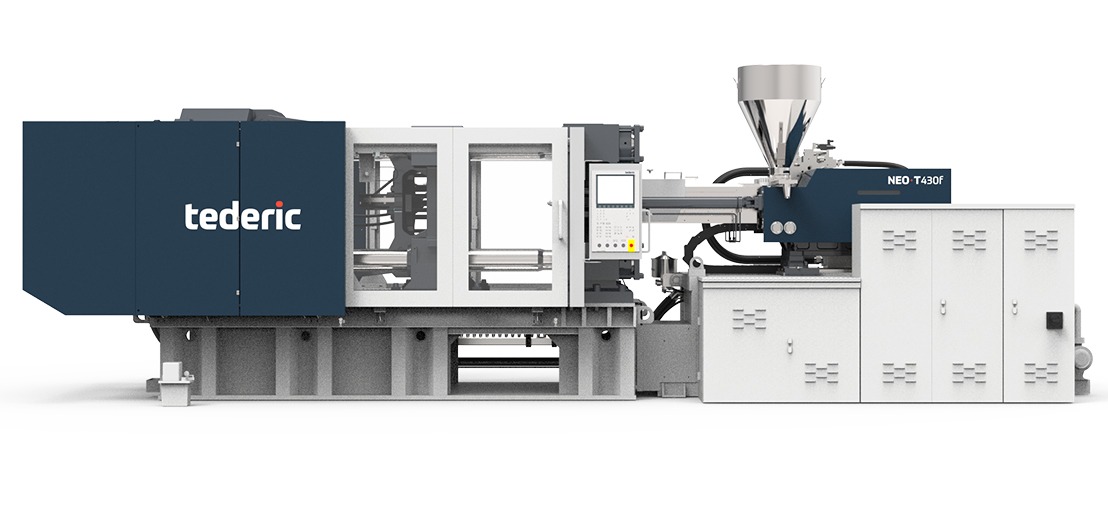
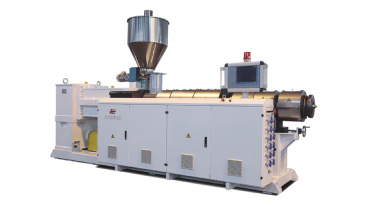
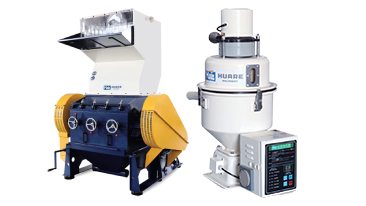
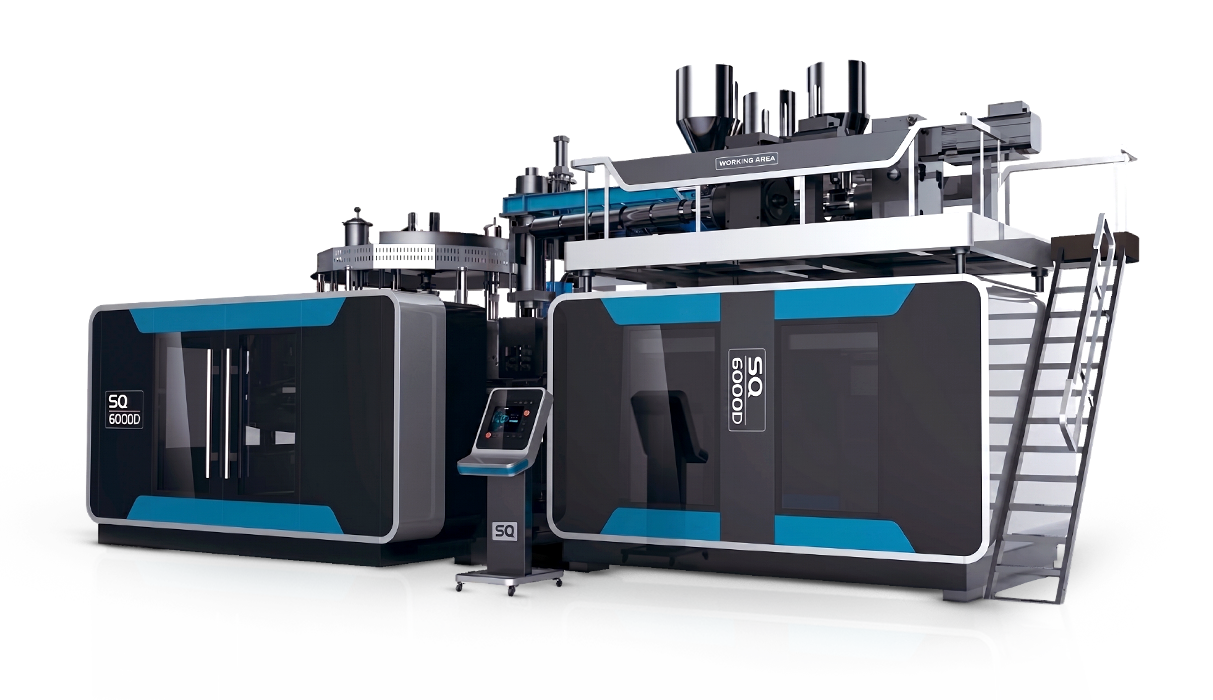



If you are reading this, it means you already know about injection molding machines.
Still, let us define it for the ones who don’t.
An injection molding machine is an industrial system used to produce plastic parts/items by injecting molten material into a mold under high pressure.
These machines are famous for two reasons: they can produce a very large number of items, and all the items are identical.
Plastics Injection molding accounts for nearly 50% of all plastic processing methods; this is because of its versatility.
For the types, injection molding machines are categorized primarily based on their operations. And if we do so, we have three types: hydraulic, servo-hydraulic, and all-electric.
However, plastic injection molding machines can also be categorized based on their orientation, platen structure, color capability, and applications.
Considering this fact, we have categorized molding machines based on all these factors.
Read on to learn about each.
Different Types of Injection Molding Machines (and Categories)
The following are injection molding types, categorized based on their operations, orientation, platen structure, color/material capability, and applications.
Based On Operation
1. Hydraulic Injection Molding Machine
Hydraulic injection molding machines are the oldest, most widely used type.
These became very dominant in the early 1950s, replacing the existing mechanical presses that had existed since the early 1900s.
They use hydraulic pumps and valves to generate the force needed for clamping and injection.
High power output (about 3-4 tons per square inch) is the primary reason for the reputation.
They can easily handle large molds and thick materials. This makes them suitable for automotive parts, crates, and heavy-duty components.
They are also more cost-effective if we put them against newer technologies.
However, they consume more energy because the hydraulic system (pumps) runs continuously. Maintenance is also higher due to seals, valves, and oil systems.
Precise oil temperature control is also required for optimal performance.
Overall, these are preferred where high power and affordability matter more than precision.
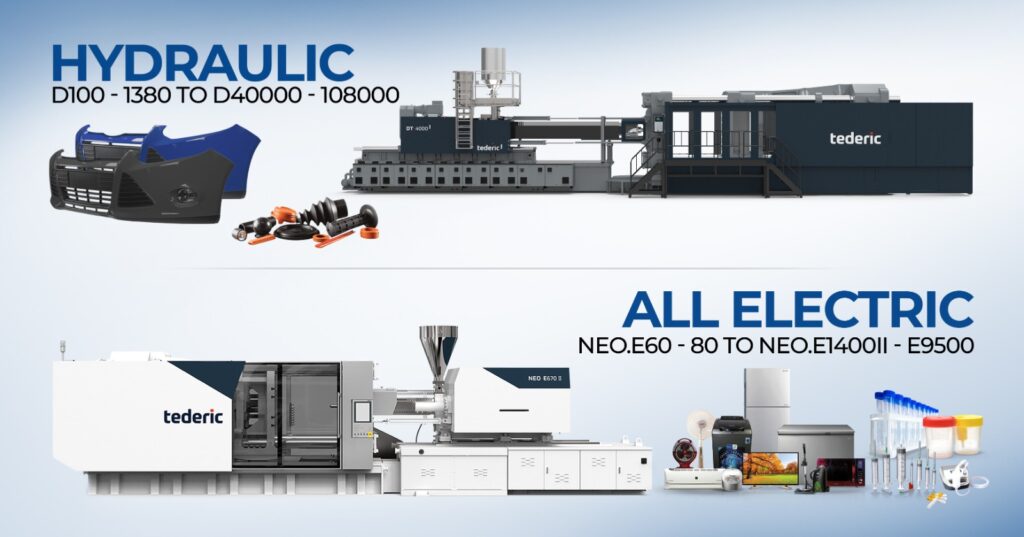
2. All-Electric Injection Molding Machine
The very first all-electric injection molding machine was introduced in 1983 by a Japanese manufacturer, Nissei Plastic Industrial Co., Ltd.
It was an alternate option to replace existing hydraulic models.
All-electric machines use electric servo motors for all movements. These are idle when not in use, and only run and use power when needed.
The result?
All-electric machines use 50-70% less power than hydraulic models. This also makes them operate quietly and require less maintenance.
There is no hydraulic oil involved. This makes them clean and ideal for medical and food-grade plastic products manufacturing.
These machines also offer very high precision and repeatability.
Each movement, such as injection, clamping, and ejection, is independently controlled. This results in faster cycle times and better product quality.
However, the initial upfront cost is higher than that of hydraulic models. These are also not ideal for producing very large parts that require a very high clamping force.
Still, they are the best choice where accuracy and cleanliness are critical.
3. Servo-Hydraulic Injection Molding Machine
Servo-hydraulic machines sit between hydraulic and all-electric options.
These combine the good features of both hydraulic and all-electric injection machines.
A servo motor-controlled pump controls the hydraulic fluid and circulates oil for hydraulic pressure. The machine can adjust energy usage as per demand.
These machines provide better control over speed, power, pressure, and position. Parts made by these machines are very consistent and less defective.
Noise levels are also lower compared to standard hydraulic machines.
They are suitable for a wide range of applications, including medium to high precision parts.
Another benefit is reduced heat generation, which lowers cooling requirements. Plus, maintenance is similar to hydraulic machines but with better efficiency.
Overall, they offer a strong balance between power and energy savings.
Based On Orientation
An injection molding machine can be either horizontal or vertical, based on orientation.
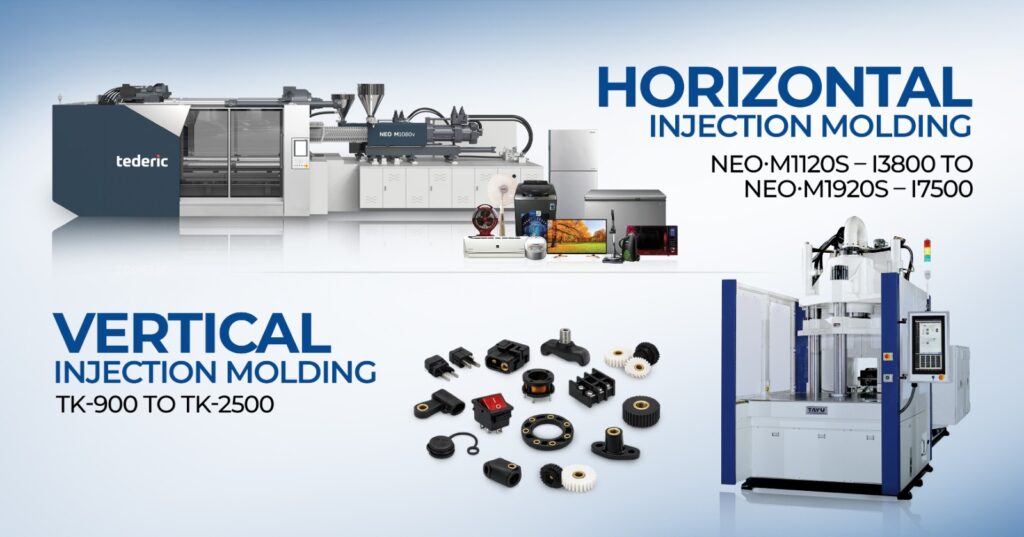
4. Horizontal Injection Molding Machine
Horizontal injection machines are the most common type used in the industry.
In this design, the clamping unit and injection unit are aligned horizontally. The mold also opens and closes in a horizontal direction.
It is easy to remove parts from the mold, either via gravity or robotic arms.
These machines support automation and are ideal for high-volume production.
A wide range of molds can be used, from small to large sizes, to manufacture a wide spectrum of products such as containers, housings, consumer goods, etc.
Floor space requirement is moderate, but mold installation is simple.
Overall, horizontal machines are the standard choice for most injection molding applications.
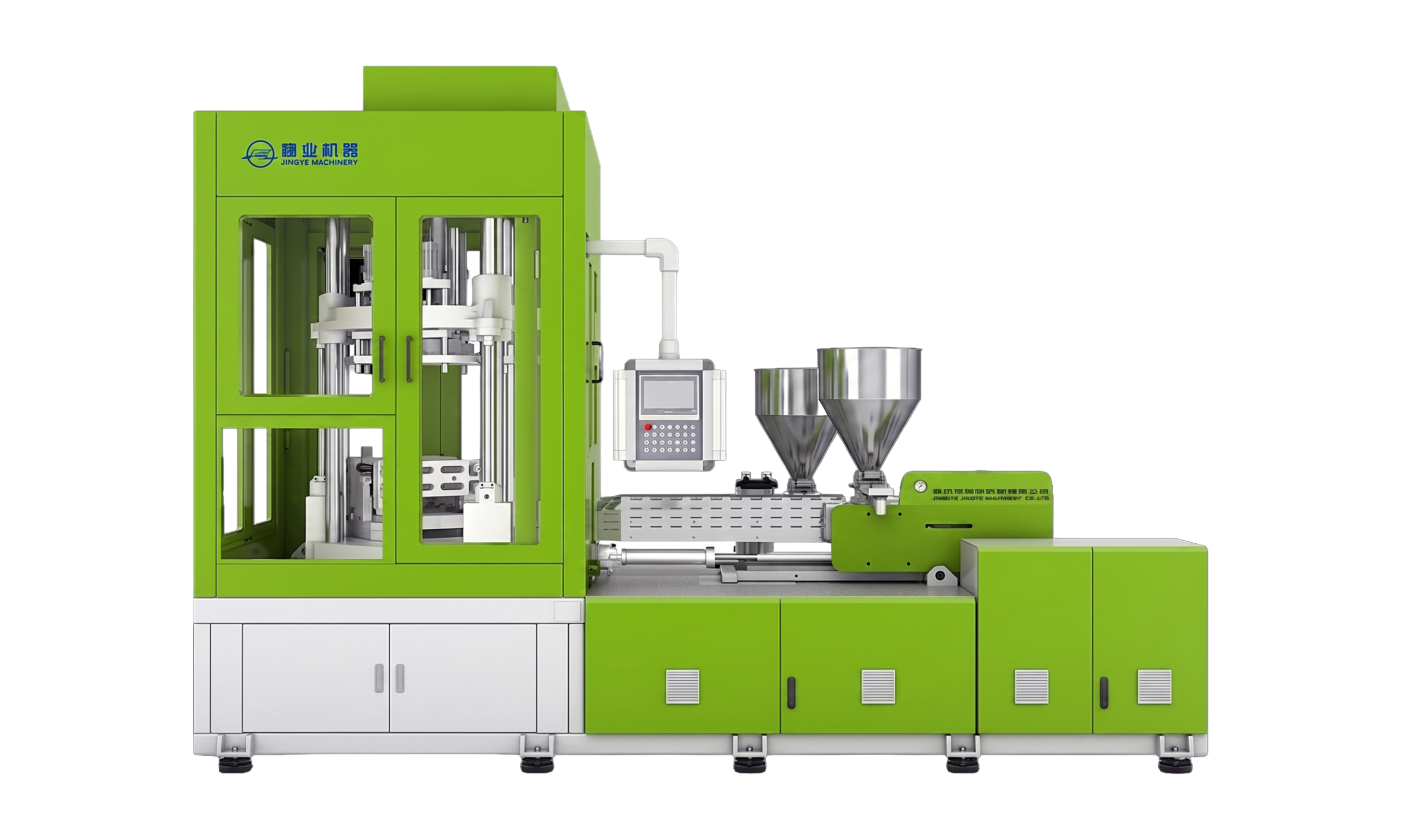
5. Vertical Injection Molding Machine
Vertical machines have a different structure where the clamping unit is vertical.
The mold opens upward and downward.
This design is ideal for insert molding. Components like metal inserts can be placed easily into the mold due to gravity. It reduces movement and improves accuracy during placement.
These machines take up less floor space compared to horizontal ones.
They are commonly used in electrical parts, connectors, and overmolding applications.
Manual or semi-automatic operation is common, but automation is also possible.
Clamping force is usually lower than that of large horizontal machines. However, precision in insert placement is a major advantage.
They are best for specialized and small to medium production runs.
Based On Platen Structure
The platen structure refers to heavy, rigid steel plates that clamp, hold, and support two halves of a mold on an injection molding machine.
These open and close with the help of tie bars when the hydraulic cylinder puts pressure.
Platen structure can consist of either two or three plates.
These are injection molding machine types based on the platen structure:
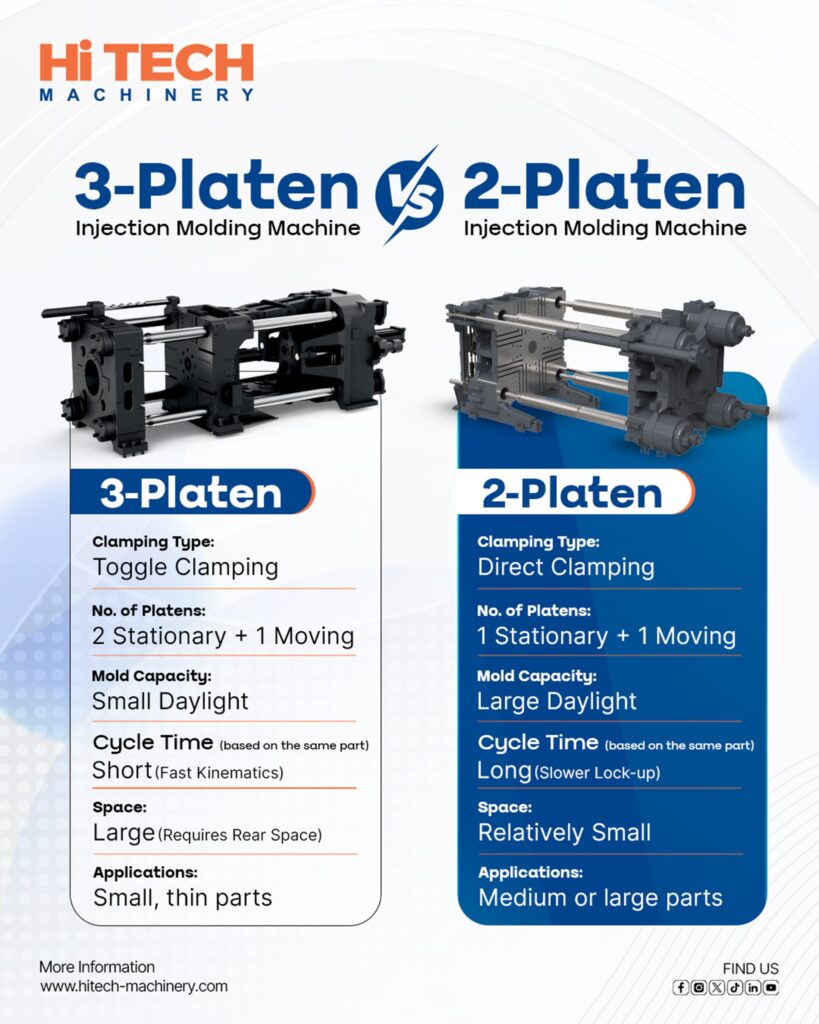
6. Two-Platen Injection Molding Machine
A two-platen machine has only two plates; one plate is fixed, and one plate is movable.
One plate is fixed, and one plate is movable.
In this setup, the machine length is compact and saves space.
With larger tie-bar spacing and higher clamping force, large molds can be used on a two-platen machine to manufacture larger parts.
For example, automotive parts, pallets, large containers, etc.
Two-platen machines have fewer moving parts, which means less maintenance.
However, control systems must be precise to maintain mold alignment.
In short, they offer a compact design with strong performance for large-scale production.
7. Three-Platen Injection Molding Machine
Three-platen machines (also called toggle machines) use three plates: one is fixed, one is moving, and an intermediate runner stripper plate.
Three plates means the tier bar spacing between them is less than the two-platen structure.
Therefore, three-platens are best to manufacture complex parts, small components, and anything that requires a ‘pointed gate’ to separate the runner from the product automatically.
The overall production capability of the three-platen is higher than that of the two-platen.
These machines are widely used in general manufacturing, with different mold sizes and for multiple applications.
However, they are longer in size compared to two-platen machines.
Maintenance is also slightly higher due to more moving parts.
Based On Colors/Materials Used Per Cycle
8. Single Color Injection Molding Machine
Single-color machines have one injection unit.
One injection unit means one material and/or one color at a time.
This is the most basic and widely used setup to manufacture standard, single-color plastic parts. For example, caps, containers, combs, etc.
Single-color injection molding machines are affordable, easy to operate, and maintain with lower setup time than complex machines.
Perfect for small to medium manufacturers with simple production needs.
Again, these cannot produce multi-material or multi-color products in one cycle.
9. Multi-Color Injection Molding Machine
Multi-color machines have two or more injection units, unlike single-color machines with one.
They can mold products of two different materials and/or colors in a single cycle.
Complex and high-value parts are easy to manufacture with multi-color machines. These also improve bonding between materials and reduce assembly steps.
Some products that can be manufactured via multi-color machines are: toothbrushes, automotive parts, electronic components, etc.
Advanced control systems are used to manage timing and material flow.
These machines are also more expensive and difficult to operate than a single-color one.
Based On Application
Which product an injection molding machine is designed to manufacture can also be used to categorize them into different types, such as:
10. PET Preform Injection Molding Machine
PET preform machines are specially designed for producing bottle preforms, that later used in blow molding to make bottles.
The machines are optimized for PET material processing with high-speed and high-output production capabilities.
The whole setup is designed for precision with advanced temperature control to ensure proper material flow and clarity.
This way, all produced preforms have uniform weight and shape.
These machines often include hot runner systems to reduce waste.
Automation is widely used for handling and cooling.
They are commonly used in the beverages and packaging industries, where the whole focus is high-volume, consistent preform production.
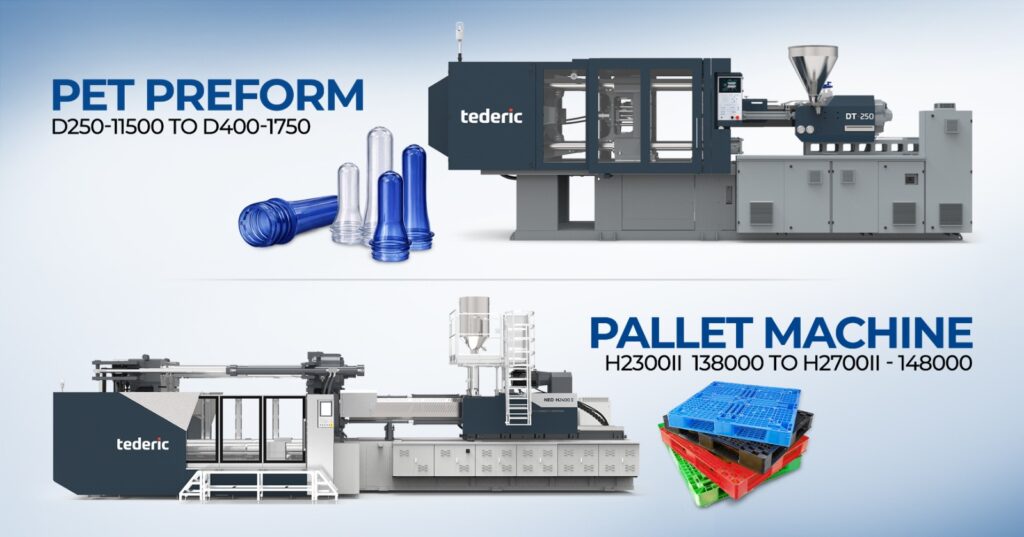
11. Pallet/Crate Injection Molding Machine
These pallet injection molding machines are designed in a way to be suitable for producing large, heavy-duty products like pallets, crates, etc.
The base of this setup is a hydraulic and/or two-platen system in order to offer high clamping force and large mold capacity.
They have strong structures, high pressure, large shot size, and a better cooling system.
These machines often run longer cycle times compared to smaller machines. So, they are built to ensure continuous operation and high load conditions.
They are essential to produce large-scale industrial products.
Which Type of Injection Molding Is Good for You?
Putting it simply, it all depends on what you want to produce and the specific requirements.
For example, if you make food or medical-related plastic products, you will need a machine with clean products and high precision.
So, an all-electric machine should be your choice.
On the other hand, if you manufacture large products (automobile parts, pallets, drums), a hydraulic or servo-hydraulic machine may suit you.
And don’t forget your product type as well.
For example, if the product you manufacture uses multiple colors and/or materials, a multi-color machine is gonna make it happen in a single cycle.
Also, if you want to manufacture tooth brushes with multiple colors or materials, a multi-color injection molding needs to be your ultimate pick.
Always match the machine with your production needs.
Energy efficiency is also important here.
Key Sections and Components of an Injection Molding Machine
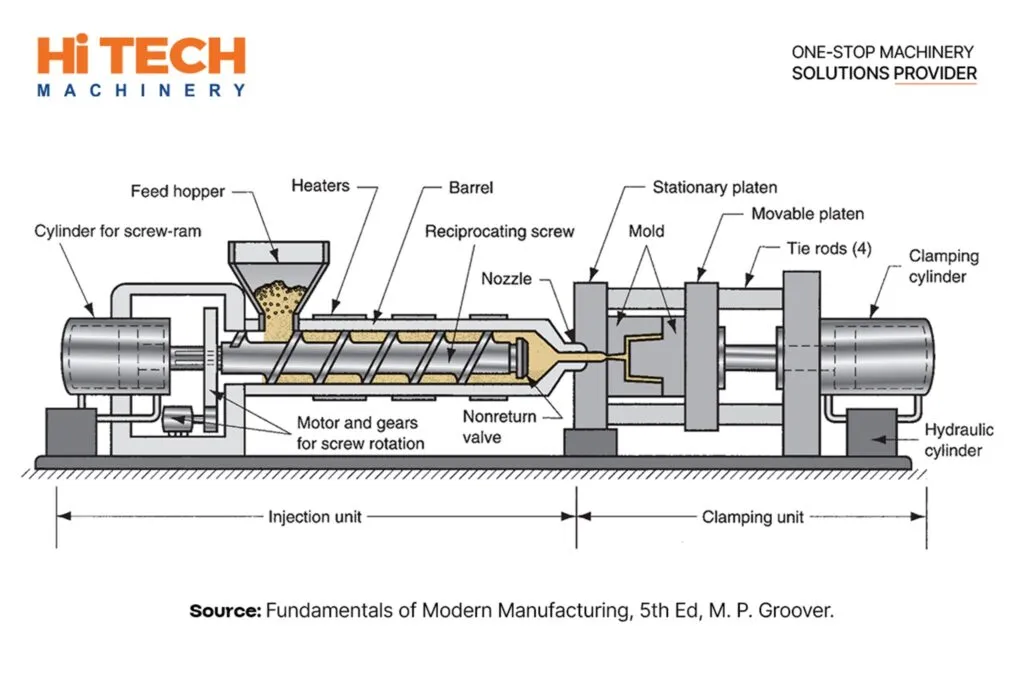
An injection molding machine is split into two primary sections:
- Injection unit
- Clamping unit
That said, here is a list of common parts in each unit on a typical injection molding machine.
Injection Unit
This is the part of the machine where the whole process starts. It takes the raw plastic pallets and melts them, then pushes them into the mold under high pressure.
Here are the main components inside it:
Feed Hopper: This is where the injection molding materials are first loaded. It simply holds the material and lets it drop into the barrel gradually.
Barrel: A heated tube where the plastic melts as it moves forward.
Heaters: These are heating bands wrapped around the barrel. They provide the heat that melts the plastic properly.
Reciprocating Screw: It rotates to move the pellets forward, melts them using heat and friction, and then pushes the molten plastic into the mold.
Motor and Gears: A drive system that provides the torque needed to rotate the screw smoothly.
Cylinder for Screw-Ram: This system pushes the screw forward when it’s time to inject the melted plastic.
Nonreturn Valve: It is located at the tip of the screw. It stops the molten plastic from flowing backward during injection.
Nozzle: This is the exit point. The molten plastic passes through here and enters the mold.
Clamping Unit
This section holds the mold in place. It keeps the mold tightly closed during injection and then opens it once the part is ready.
Its main components include:
Stationary Platen: A fixed plate that holds one half of the mold. It stays in position and connects to the nozzle.
Movable Platen: This plate moves back and forth. It opens and closes the mold during each cycle.
Mold: The actual cavity where the plastic takes its final shape. It is made in two halves.
Tie Rods: Strong rods that guide the movable platen and help keep everything aligned. They also handle the stress during clamping.
Clamping Cylinder: This hydraulic actuator generates the force needed to keep the mold shut while plastic is injected under pressure.
Hydraulic Cylinder: It powers the movement of the clamping system and helps in opening and closing the mold.
Please note that the aforementioned components aren’t model-specific, but general.
What Is the Life of An Injection Molding Machine?
Injection molding machines can last for 10 to 20 years.
A machine that produces large products (such as pallets), has a longer cycle time, and is maintained well, can touch the two-decade mark or even last longer.
On the other hand, a high-use machine created for small products with shorter cycle times may only last for 8 to 10 years.
Some factors that directly impact the lifespan include regular maintenance (greasing), component quality, machine type, and usage intensity.
What Are the Top Brands for Injection Molding Machines?
Many good brands are out there providing injection molding machines.
HiTech Machinery recommends UWA and Tederic to buy your next injection molding machine, and even the complete setup for their balanced performance.
We have been official suppliers of these brands in Pakistan, the UAE, Saudi Arabia, Qatar, and GCC countries since 2015.
We sell all kinds of injection molding machines, auxiliaries, compressors, spare parts, and any machine-related equipment.
View All Products
We even offer installation, after-sales service, and local warranty.
You can contact us anytime.